Facebook
  • Rubber waterstop - Sealing & Waterproofing Solution
  • Rubber waterstop - Sealing & Waterproofing Solution
  • Rubber waterstop - Sealing & Waterproofing Solution
  • Rubber waterstop - Sealing & Waterproofing Solution
  • Rubber waterstop - Sealing & Waterproofing Solution
  • Rubber waterstop - Sealing & Waterproofing Solution

Rubber waterstop

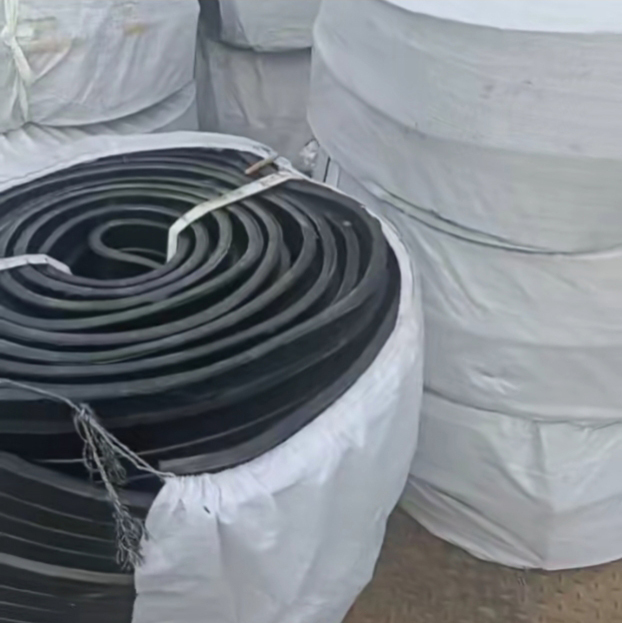
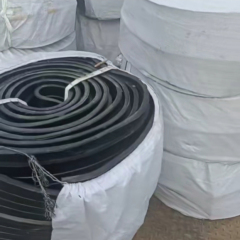
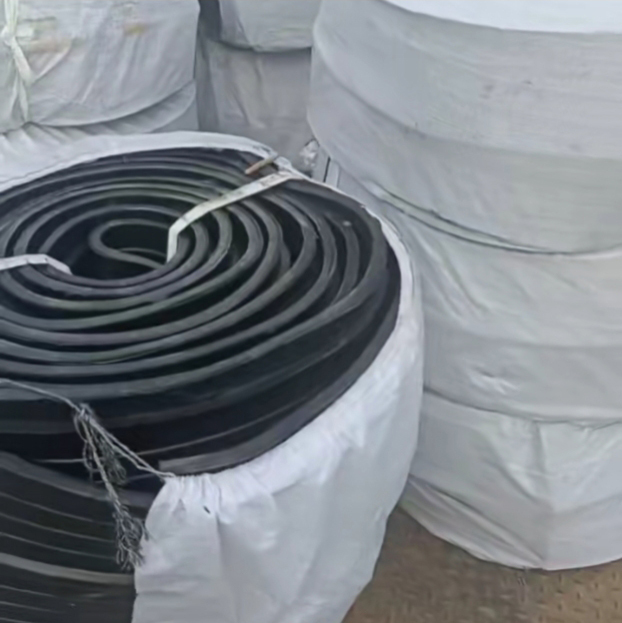
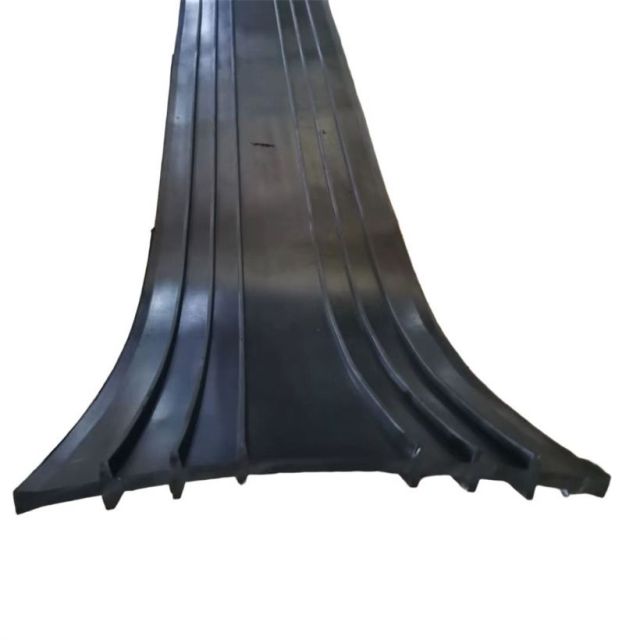
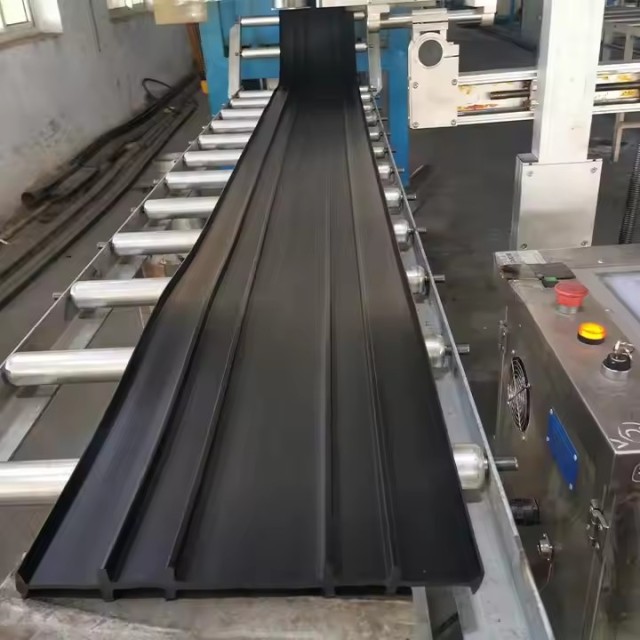
Rubber Waterstop usage has expanded to all types of concrete structures for the purpose of keeping liquids in or out. 

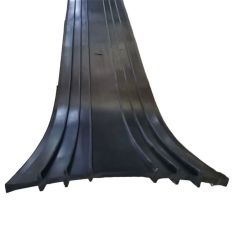
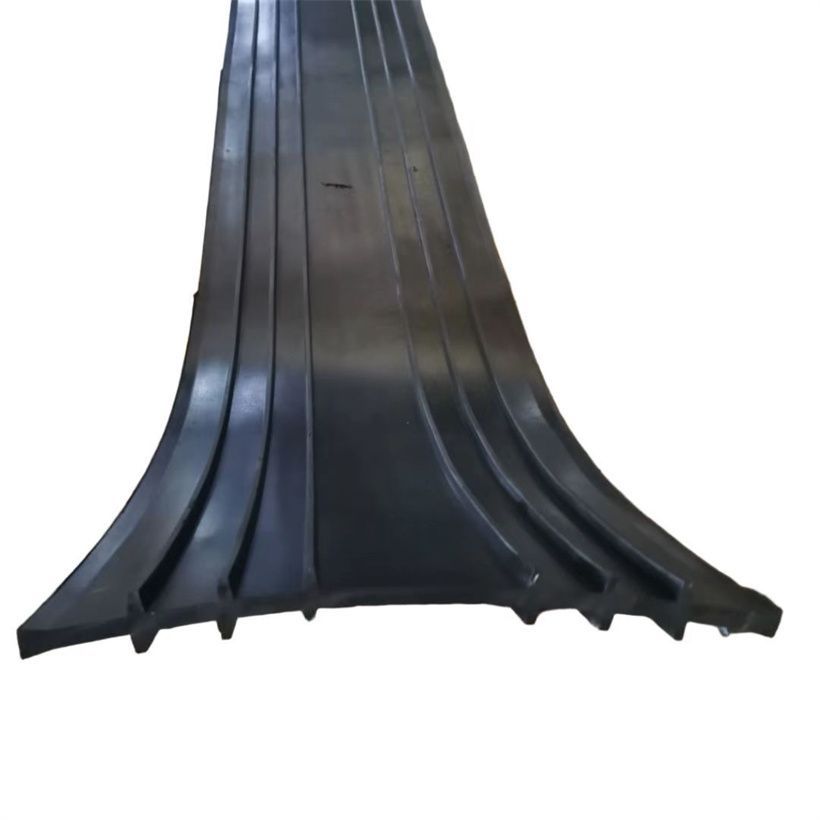
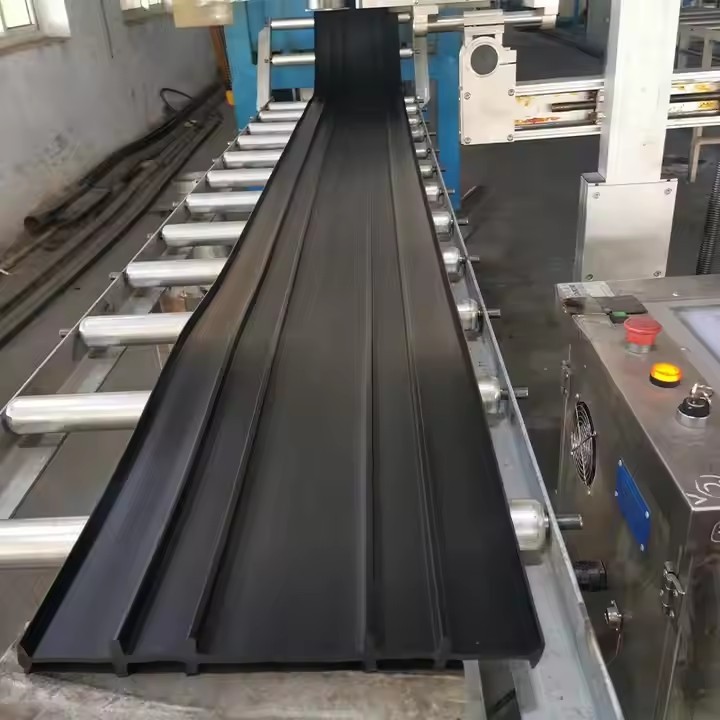
We offer a complete line of standard extruded profiles that may be joined using our unique molded intersections. This system provides the flexibility to customize for each application and structure.
  • Rubber waterstop - Sealing & Waterproofing Solution
  • Rubber waterstop - Sealing & Waterproofing Solution
  • Rubber waterstop - Sealing & Waterproofing Solution
  • Description

  • SPECIFICATION


Rubber Waterstop: Engineered Integrity for Concrete Structures

In the realm of modern concrete construction, the battle against water ingress is constant. Whether managing groundwater pressure, containing process liquids, or safeguarding below-grade environments, the performance of a structure hinges on the integrity of its joints. The Rubber Waterstop has evolved from a simple accessory into a critical, engineered component—its application now spans virtually every type of concrete structure where controlling liquid migration is non-negotiable. This article provides a comprehensive examination of our advanced rubber waterstop system, detailing its material science, design flexibility, and the strategic advantages it delivers to contractors, engineers, and facility owners.

The Expanding Role of Rubber Waterstops in Modern Construction

Historically, waterstops were considered a secondary defense—a passive barrier cast into concrete joints. Today, their role has expanded dramatically. From wastewater treatment plants and underground parking garages to water reservoirs, dams, and chemical containment facilities, the demand for reliable, durable sealing solutions has intensified. The reasons are clear:

  • Stricter environmental regulations require zero-tolerance leakage for hazardous materials.
  • Longer design life expectations for infrastructure mean that joint systems must perform for decades, not just years.
  • Complex geometries in modern architecture demand waterstop solutions that can be customized to fit irregular layouts, not just straight-line installations.

Our rubber waterstop system is purpose-built to meet these challenges. It is not a single product, but a comprehensive system—combining precision-extruded profiles with uniquely engineered molded intersections. This approach transforms a potential weak point into a continuous, reliable barrier.

Material Excellence: The Foundation of Performance

The effectiveness of any waterstop is directly tied to the quality of its base material. We utilize high-grade rubber compounds, specifically formulated for demanding construction environments. The choice of rubber—whether EPDM, SBR, or a custom blend—is determined by the specific chemical exposure, temperature range, and physical stress the structure will face.

Key Material Properties

  • High Elasticity and Recovery: The rubber must accommodate joint movement caused by thermal expansion, settlement, and seismic activity without permanent deformation. Our compounds are designed to maintain their shape and sealing force over time.
  • Superior Tear and Abrasion Resistance: During concrete placement, waterstops are subjected to significant mechanical stress. Our material resists punctures and tears, ensuring the integrity of the barrier is maintained during the most demanding pour operations.
  • Chemical Compatibility: For structures handling aggressive chemicals, we offer formulations that resist degradation from acids, alkalis, and hydrocarbons. This extends the service life of the waterstop and, by extension, the entire structure.
  • Weathering and Aging Resistance: Exposure to ultraviolet light, ozone, and fluctuating temperatures can cause ordinary rubber to crack and harden. Our compounds include stabilizers and antioxidants that preserve flexibility and performance for decades of service.

The System Advantage: Extruded Profiles + Molded Intersections

What sets our system apart is its holistic design philosophy. A traditional waterstop installation often struggles at the joints—where two straight lengths meet, or where a waterstop must turn a corner. These intersections are historically the most common points of failure. Our system eliminates this vulnerability.

Precision Extruded Profiles

We offer a complete line of standard extruded profiles, each engineered for specific joint configurations. These profiles include:

  • Center Bulb (Dumbbell) Type: Designed for expansion and contraction joints, the central bulb provides a void that accommodates significant movement while maintaining a watertight seal.
  • Flat Ribbed Type: Ideal for construction joints where minimal movement is expected, offering a simple, robust barrier.
  • Web and Rib Combinations: For applications requiring enhanced anchorage within the concrete, providing a longer path for water to travel and a stronger mechanical lock.

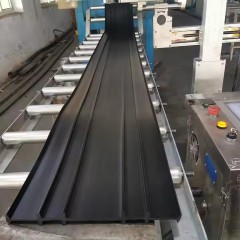
Each profile is manufactured with tight dimensional tolerances, ensuring a consistent fit and reliable performance. The extrusion process allows for continuous lengths, minimizing the number of field splices required.

Unique Molded Intersections: The Cornerstone of Continuity

The true innovation lies in our molded intersections. Instead of attempting to cut and glue a straight profile to form a tee, cross, or corner, we manufacture these critical junctions as single, seamless pieces. This is achieved through precision molding, which creates a continuous, homogeneous rubber component without any weak seams.

The benefits of this approach are profound:

  • Elimination of Field Splicing Errors: Field splicing is a skilled, time-consuming operation that is prone to error. By using pre-molded intersections, we remove the most significant variable from the installation process. The result is a joint that is as strong as the waterstop itself.
  • Enhanced Structural Integrity: A molded intersection has no glued or vulcanized seam that can delaminate over time. It is a single, monolithic piece of rubber, providing uniform strength and flexibility throughout.
  • Design Freedom: The availability of standard molded tees, crosses, and 90-degree corners—both horizontal and vertical—provides the flexibility to customize the system for virtually any structural layout. Complex geometries, such as sumps, pipe penetrations, and wall-to-floor junctions, can be addressed with confidence.

Customization for Every Application

No two concrete structures are identical. Recognizing this, our system is designed for flexibility. While we offer a range of standard profiles and intersections, we also provide the capability to customize.

  • Custom Profiles: For projects with unique joint dimensions or movement requirements, we can develop a custom extrusion die to produce a profile that meets exact specifications.
  • Specialty Compounds: If the standard rubber compounds are not suitable for the chemical environment or temperature extremes of a specific application, our materials engineers can formulate a custom compound.
  • Bespoke Intersections: For highly unusual geometries, we can produce custom-molded intersections to ensure a perfect fit, eliminating the need for complex field fabrication.

This level of customization ensures that the waterstop system is not a compromise but a precise solution engineered for the specific demands of the project.

Installation Considerations and Best Practices

Even the best waterstop system will only perform as well as its installation. Our products are designed with ease of installation in mind, but adherence to best practices is crucial.

  1. Secure Fixing: The waterstop must be securely fixed to the formwork or previous concrete lift to prevent displacement during concrete placement. This is typically achieved using tie wire through the bulb or rib holes.
  2. Proper Concrete Consolidation: Care must be taken to ensure that concrete is properly vibrated around the waterstop, eliminating any voids or honeycombing that could create a path for water migration.
  3. Splice Integrity (When Required): While molded intersections minimize splicing, long runs may still require field splices. When using our joining methods, which include vulcanizing or using specialized adhesives, it is imperative to follow the manufacturer's instructions precisely to achieve a splice that is as strong as the parent material.

A Long-Term Investment in Structural Reliability

Choosing the right waterstop is a decision that affects the entire lifecycle of a structure. A failure in this system can lead to costly remediation, operational downtime, and potential environmental liability. Our rubber waterstop system is engineered to provide a long-term, maintenance-free solution.

By integrating high-quality materials, precision manufacturing, and an innovative system of molded intersections, we provide a level of reliability that exceeds industry standards. This is not just a product; it is an investment in the structural integrity and operational longevity of your project.


  • Title: Rubber Waterstop: Engineered Integrity for Concrete Structures
  • Keywords: rubber waterstop, concrete waterstop, extruded waterstop profiles, molded waterstop intersections, construction joint seal, expansion joint waterstop, EPDM waterstop, SBR waterstop, watertight concrete structure, belowDescription:** Discover a comprehensive rubber waterstop system engineered for all concrete structures. Featuring precision-extruded profiles and unique molded intersections, our system provides seamless, customizable sealing for construction and expansion joints. Explore the material science and design flexibility that ensure reliable, long-term protection against liquid ingress in demanding environments. Contact us for a solution tailored to your project.