Facebook
  • Rubber waterstop - Sealing & Waterproofing Solution
  • Rubber waterstop - Sealing & Waterproofing Solution
  • Rubber waterstop - Sealing & Waterproofing Solution
  • Rubber waterstop - Sealing & Waterproofing Solution
  • Rubber waterstop - Sealing & Waterproofing Solution
  • Rubber waterstop - Sealing & Waterproofing Solution

Rubber waterstop

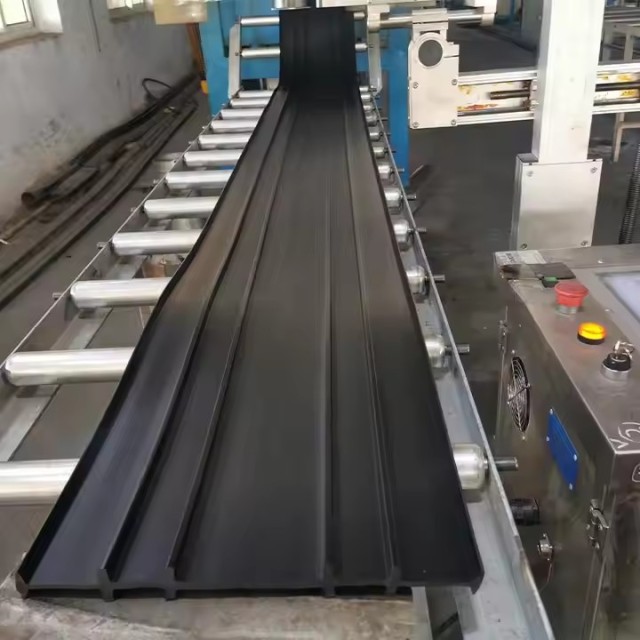
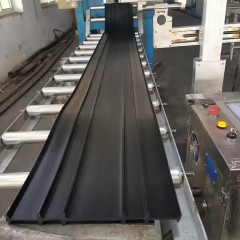
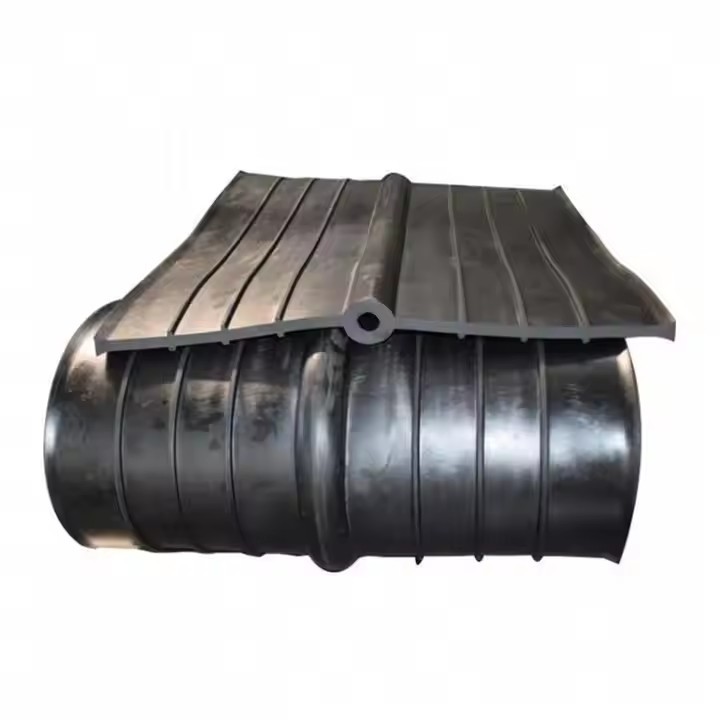
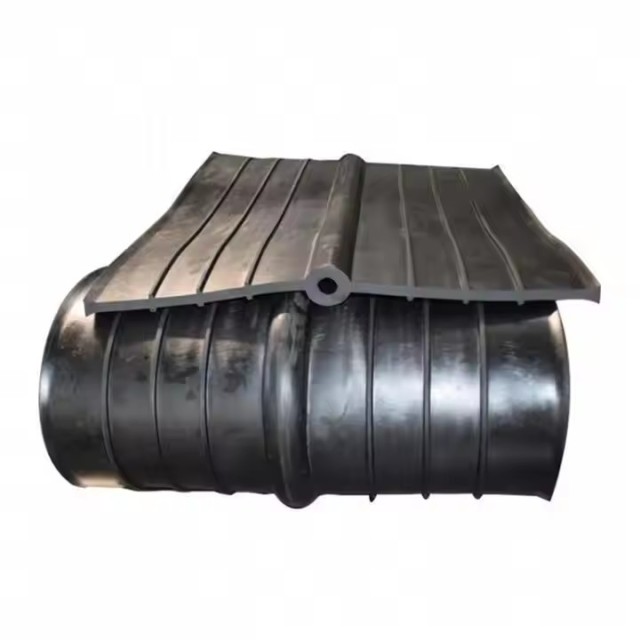
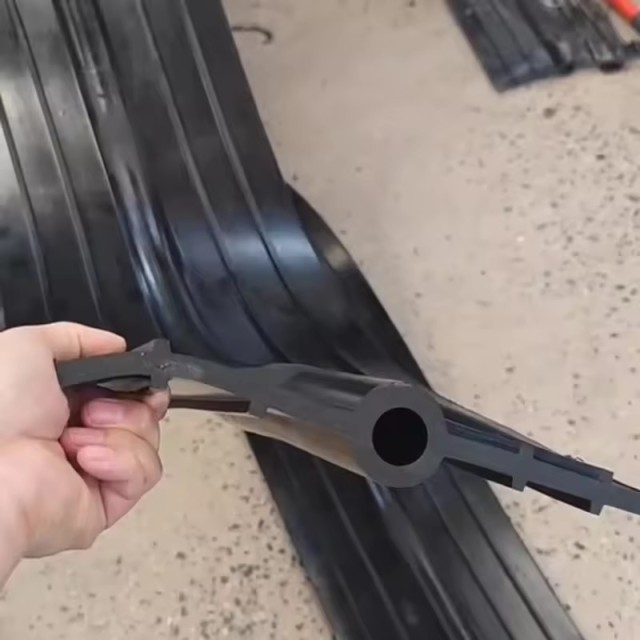
Rubber Waterstop usage has expanded to all types of concrete structures for the purpose of keeping liquids in or out. 

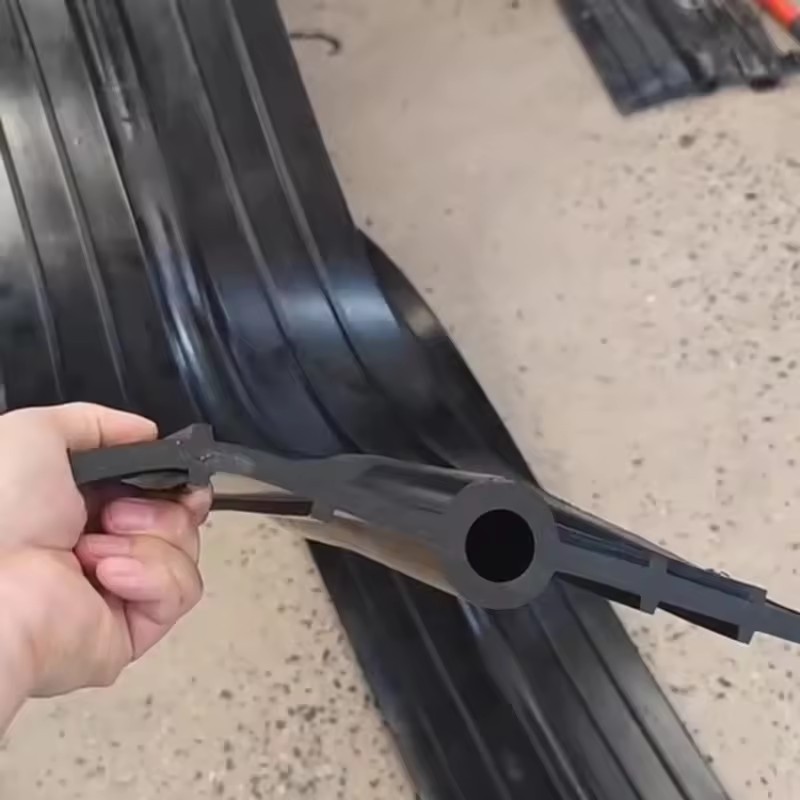
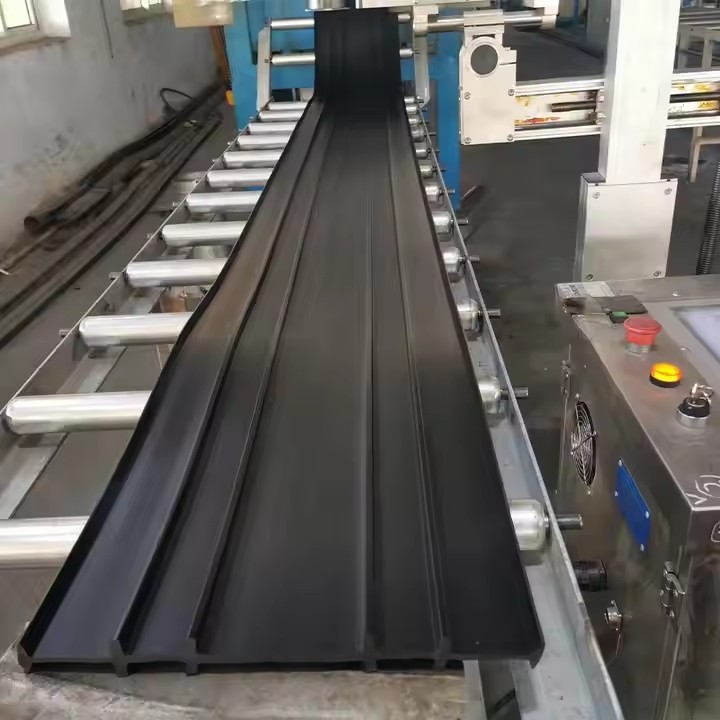
We offer a complete line of standard extruded profiles that may be joined using our unique molded intersections. This system provides the flexibility to customize for each application and structure.
  • Rubber waterstop - Sealing & Waterproofing Solution
  • Rubber waterstop - Sealing & Waterproofing Solution
  • Rubber waterstop - Sealing & Waterproofing Solution
  • Description

  • SPECIFICATION


Rubber Waterstop: Engineered Concrete Joint Integrity for Demanding Fluid Containment

Introduction: The Critical Role of Waterstops in Modern Concrete Construction

In the realm of concrete structures, the battle against water ingress is constant and unforgiving. Whether it is a subterranean car park, a wastewater treatment plant, a hydroelectric dam, or a high-rise foundation slab, the integrity of construction joints determines the long-term durability and operational safety of the entire asset. Rubber waterstops serve as the primary line of defense, strategically placed within concrete joints to prevent the passage of liquids—both inward and outward—under hydrostatic pressure.

Our rubber waterstop system is engineered for versatility and reliability. Its application has expanded beyond traditional civil engineering into every type of concrete structure where fluid containment is non-negotiable. This article provides an in-depth examination of our product’s design philosophy, technical advantages, and the system’s ability to deliver custom-fit solutions for projects of any scale or complexity.


1. Product Overview: A Complete Barrier System

At its core, a rubber waterstop is a continuous, flexible profile embedded within a thereby dissipating hydraulic pressure and preventing leaks. Our product line is not a single profile but a complete, integrated system comprising:

  • A full range of standard extruded profiles – designed to accommodate various joint configurations, movement tolerances, and pour sequences.
  • Unique molded intersections – factory-fabricated corners, tees, and crosses that eliminate the need for field splicing at critical junction points.
  • A systematic joining methodology – allowing for seamless connection between linear sections and molded fittings, ensuring continuous, watertight integrity along the entire joint.

The synergy between extruded profiles and molded intersections is the cornerstone of our offering. This combination transforms a simple material supply into an engineered containment solution.


2. Technical Deep Dive: Why Our System Excels

2.1 Material Science and Compound Performance

Our rubber waterstops are manufactured from high-grade elastomeric compounds, typically natural rubber (NR), styrene-butadiene rubber (SBR), or chloroprene (CR), depending on the chemical exposure and temperature requirements of the project. Each compound is selected for:

  • Excellent tensile strength and elongation – accommodating concrete shrinkage, thermal expansion, and minor structural settlement without tearing.
  • Outstanding resistance to ozone, UV radiation, and aging – ensuring decades of service life even in exposed orLow water absorption** – preventing swelling, delamination, or degradation of the rubber matrix over prolonged immersion.
  • Chemical compatibility – withstanding contact with sewage, mildly acidic or alkaline groundwater, and de-icing salts common in infrastructure applications.

Our manufacturing process employs precision extrusion with tight dimensional tolerances, guaranteeing uniform cross-sections that seat correctly in the formwork and bond effectively with the concrete.

2.2 The Molded Intersection Advantage

The most vulnerable points in any waterstop installation are the corners and branch connections. Traditional field splicing using adhesives or heat fusion introduces potential weak points, human error, and inconsistent cure times. Our unique molded intersections solve this problem categorically:

  • Factory-manufactured under controlled heat and pressure – ensuring complete vulcanization and homogeneous material properties at every bend.
  • No glue, no tape, no field-cured joints – each intersection is a single, integral piece of rubber with no seams.
  • Available in 45°, 90°, tee, cross, and custom angle configurations – matching the exact geometry of your structure, whether it is a simple rectangular tank or a complex multi-level basement.

By specifying molded intersections, engineers eliminate the risk of premature joint failure and reduce on-site labor time dramatically.

2.3 Flexibility for Customization

No two concrete structures are identical. Our system’s modular nature allows for unlimited customization without sacrificing quality. Because the extruded profiles are standardized and the intersections are molded, we can combine them in virtually any arrangement to suit:

  • Variable joint widths – from 10 mm to over 50 mm movement capability.
  • Complex geometry – curved walls, stepped foundations, pipe penetrations, and expansion joints.
  • Hybrid designs – using different profile shapes (dumbbell, center bulb, flat ribbon, or split type) for specific sealing requirements.

This flexibility means that structural engineers are not forced to adapt their design to a limited product catalog. Instead, the waterstop system adapts to the design.


3. Application Scenarios: Where Our Rubber Waterstop Makes a Difference

The expanded usage of rubber waterstops across all types of concrete structures is not an overstatement. Here are the primary sectors and specific use cases where our product provides measurable value:

3.1 Water and Wastewater Infrastructure

  • Sewage treatment tanks – continuous immersion in aggressive effluent demands a compound with high chemical resistance. Our SBR/CR blends perform reliably.
  • Clear water reservoirs – maintaining potable water quality requires a waterstop with zero leaching and low absorption.
  • Chlorination basins and sludge digesters – where cyclic thermal exposure and chemical attack are severe.

3.2 Underground and Subterranean Construction

  • Basement parking structures – where groundwater table is high, and hydrostatic pressure can exceed 10 meters of head.
  • Tunnel linings and cut-and-cover sections – where joint movement due to ground settlement is a real concern.
  • Subway stations and underground shopping centers – requiring long-term durability with minimal maintenance access.

3.3 Hydraulic and Civil Engineering

  • Dams, spillways, and canal linings – where structural joints are subjected to extreme water pressure and abrasive flow.
  • River intake structures and pump houses – where continuous operation under water makes post-construction repair impossible.
  • Bridges and culverts – protecting deck joints and abutments from chloride-laden runoff.

3.4 Commercial and Industrial Buildings

  • Foundation slabs and retaining walls – preventing groundwater ingress into occupied spaces.
  • Swimming pools and water features – ensuring leak-free operation in aesthetically sensitive environments.
  • Industrial sumps and pits – containing process liquids and preventing soil contamination.

4. Installation and Quality Assurance: Engineered for Success

A waterstop is only as effective as its installation. Our system is designed with the installer in mind, promoting accuracy and speed:

4.1 Simplified Field Splicing

While molded intersections handle the corners, linear sections still require joining on site. Our system supports two reliable splicing methods:

  1. Hot vulcanization (splicing press) – for permanent, full-strength joints that match the parent material’s properties. Recommended for critical applications.
  2. Cold adhesive splicing – using a specially formulated rubber adhesive and primer, suitable for non-critical joints or temporary installations.

All splicing methods are supported by detailed technical drawings and on-site training videos, reducing the learning curve for new crews.

4.2 Fixing and Formwork Integration

  • Steel wire ties or nail-through flanges – our profiles include anchor flanges designed for secure fixing to the formwork, preventing displacement during concrete pour.
  • Compression resistance – the center bulb profiles are engineered to withstand the pressure of fresh concrete without collapsing or deforming.

4.3 Quality Control and Traceability

Every batch of rubber waterstop undergoes rigorous testing in our laboratory, including:

  • Hardness (Shore A)
  • Tensile strength and elongation at break
  • Tear resistance
  • Compression set
  • Accelerated aging (thermal and ozone)

Each production lot is traceable via a unique batch number, providing full material certification for project documentation.


5. Economic and Operational Benefits

Choosing our rubber waterstop system yields tangible financial and operational advantages over the life of the project:

| Benefit | Explanation | |---------|-------------| | Reduced installation labor | Molded intersections eliminate complex field fabrication, saving hours on every corner and junction. | | Lower risk of rework | Factory quality ensures fewer leaks, fewer callbacks, and no need for post-construction injection grouting. | | Longer service life | High-quality compounds resist degradation, reducing lifecycle replacement costs. | | Design flexibility | Custom configurations prevent over-specification and material waste. | | Supply reliability | A complete system from a single source simplifies procurement, logistics, and inventory management. |


6. Why Partner with Us? A System, Not Just a Product

When you specify our rubber waterstop, you are not merely purchasing a rubber profile. You are accessing an engineering support framework that includes:

  • Project-specific profile selection – our engineers review your joint details and recommend the optimal profile shape and compound.
  • Custom molded intersection design – for non-standard angles, we can manufacture bespoke fittings to your exact geometry.
  • Installation documentation – detailed shop drawings, splicing procedures, and quality checklists.
  • Technical troubleshooting – a dedicated support team available throughout the project duration.

This level of collaboration ensures that the waterstop system is fully integrated into the structure’s design, not bolted on as an afterthought.


7. Technical Specifications (Representative)

To provide a clearer picture, here are typical properties for our standard natural rubber (NR) and chloroprene (CR) waterstop compounds:

| Property | NR (Natural Rubber) | CR (Chloroprene) | |----------|---------------------|------------------| | Hardness (Shore A) | 60 ± 5 | 65 ± 5 | | Tensile Strength (MPa) | ≥ 18 | ≥ 15 | | Elongation at Break (%) | ≥ 450 | ≥ 400 | | Tear Resistance (N/mm) | ≥ 35 | ≥ 30 | | Compression Set (22h/70°C, %) | ≤ 25 | ≤ 30 | | Operating Temperature (°C) | -40 to +70 | -30 to +100 | | Ozone Resistance | Good | Excellent | | Water Absorption (max, %) | ≤ 1.5 | ≤ 2.0 |

Note: Custom compounds are available for extreme chemical or thermal environments.


8. Conclusion and Call to Action

Concrete structures are built to last, but their joints are often the first point of failure. Our rubber waterstop system addresses this vulnerability with a complete, engineered, and customizable containment solution. From the simplicity of standard extruded profiles to the precision of unique molded intersections, every component is designed to work together seamlessly, providing confidence in the most demanding applications.

Do not compromise the integrity of your next project with fragmented solutions or unreliable field fabrication. Contact us today to discuss your specific joint design, request a sample profile, or receive a comprehensive technical proposal. Our specialists are ready to support your project from concept to completion.


  • Title: Rubber Waterstop System | Complete Extruded Profiles & Molded Intersections for Concrete Joints

  • Keywords:

  • Rubber waterstop

  • Concrete waterstop profiles

  • Molded intersections waterstop

  • Extruded rubber waterstop system

  • Waterproofing concrete joints

  • Hydrostatic pressure seal

  • PVC alternative rubber waterstop

  • Sewage tank waterstop

  • Underground concrete waterproofing

  • Custom waterstop fittings

  • Description:

  • Premium rubber waterstop system for all concrete structures. Standard extruded profiles paired with unique molded intersections for leak-proof joints. Customizable, chemical-resistant, and engineered for demanding fluid containment. Request a quote today.