Facebook
  • PVC waterstops - Sealing & Waterproofing Solution
  • PVC waterstops - Sealing & Waterproofing Solution
  • PVC waterstops - Sealing & Waterproofing Solution
  • PVC waterstops - Sealing & Waterproofing Solution
  • PVC waterstops - Sealing & Waterproofing Solution
  • PVC waterstops - Sealing & Waterproofing Solution

PVC waterstops

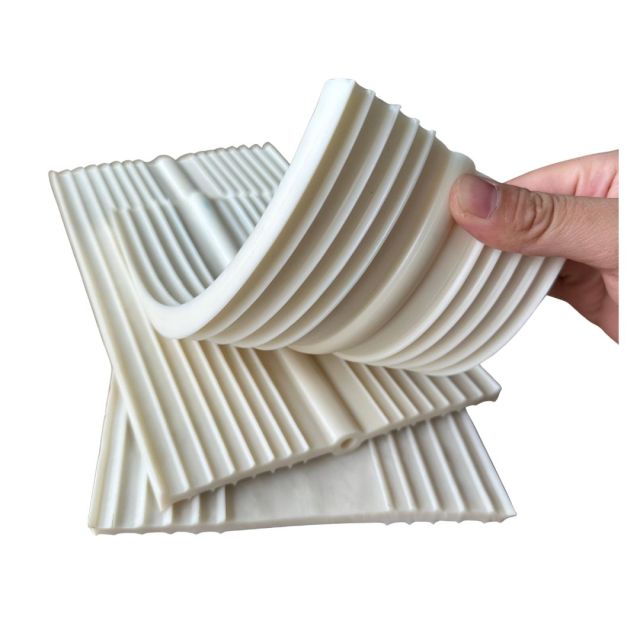
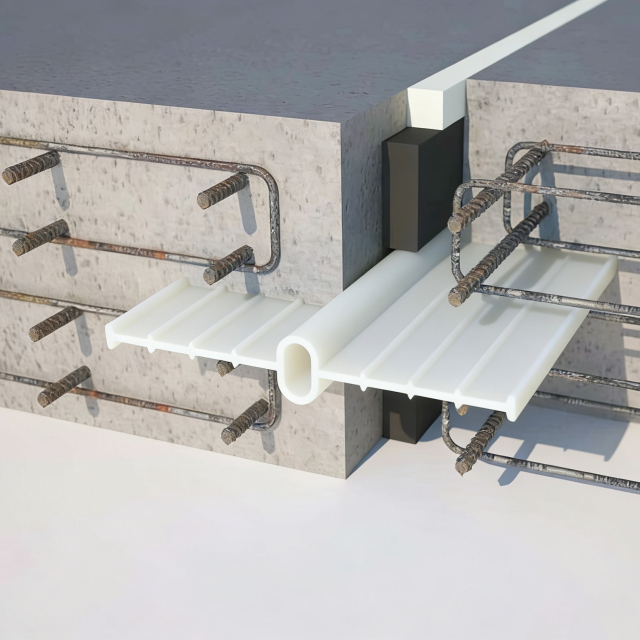
PVC waterstops are ideal for waterproofing and water containment in concrete structures including swimming pools, aqueducts, foundations, canals, reservoirs and dams. Featuring excellent chemical resistance, low-temperature flexibility and long-term durability, they provide reliable protection against water penetration in civil engineering projects.

PVC waterstop profiles are specially designed for structural construction joints, ensuring effective watertightness even under water pressure. Suitable for both water-retaining structures and underground foundations such as tunnels and silos, they perform stably in a temperature range of -30°C to +70°C. With outstanding resistance to ageing, UV, ozone, alkalis and corrosive groundwater, they maintain high flexibility and stable mechanical properties over a long service life.
  • PVC waterstops - Sealing & Waterproofing Solution
  • PVC waterstops - Sealing & Waterproofing Solution
  • PVC waterstops - Sealing & Waterproofing Solution
  • Description

  • SPECIFICATION


PVC Waterstops: Engineered Waterproofing Solutions for Critical Concrete Structures

Introduction

In modern civil engineering and construction, the integrity of concrete structures against water ingress is not merely a performance requirement—it is a fundamental safety and durability concern. Water penetration through construction joints, expansion joints, and other discontinuities can lead to structural degradation, reinforcement corrosion, and long-term functional failure. Among the most effective and widely adopted solutions for this challenge is the PVC waterstop, a specialized profile designed to create a permanent, flexible barrier within concrete joints.

This article provides a comprehensive overview of PVC waterstops, their material properties, application areas, and the technical advantages that make them indispensable in water-retaining and water-excluding structures worldwide.


What Are PVC Waterstops?

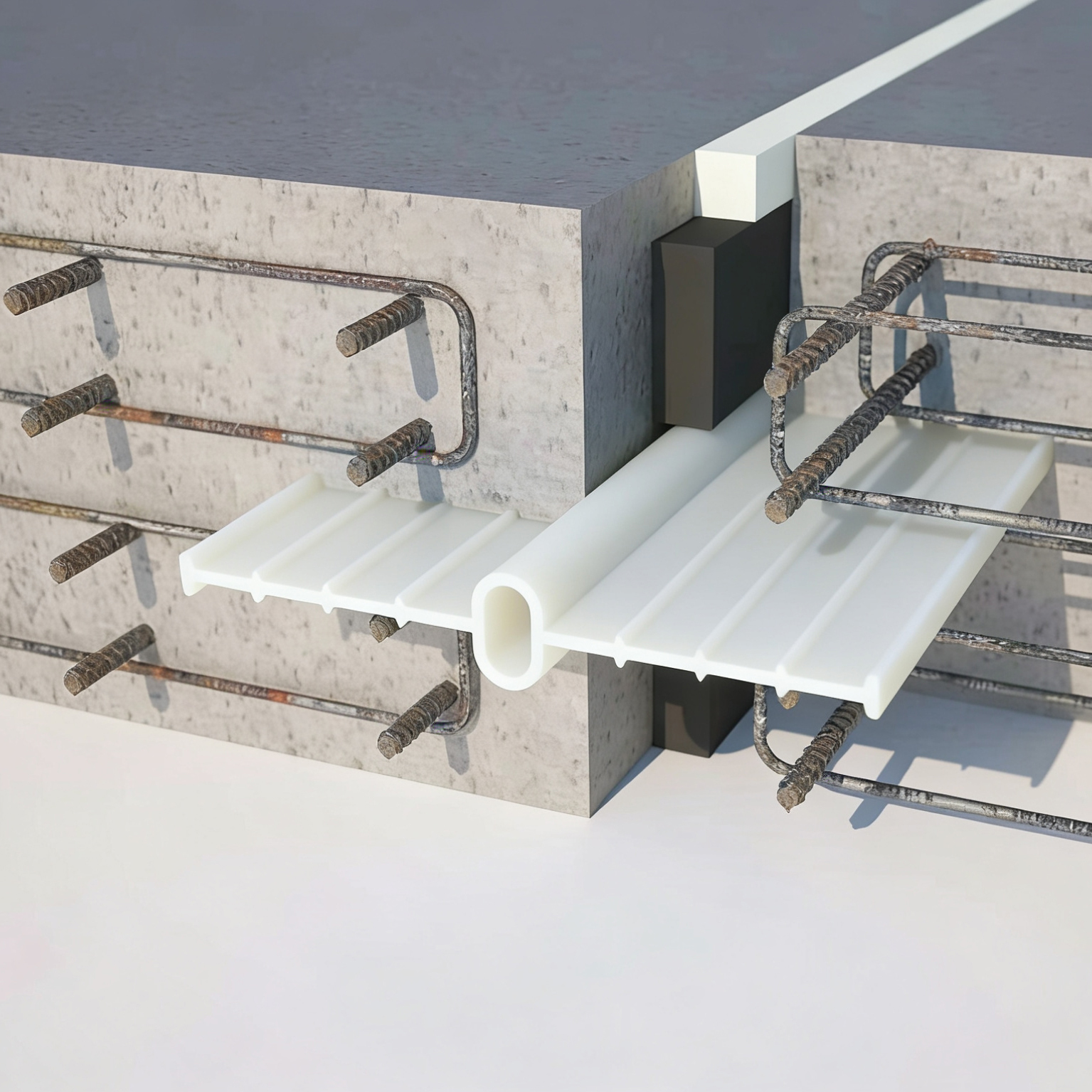
PVC (Polyvinyl Chloride) waterstops are continuous, flexible strips or profiles that are embedded within concrete joints during the construction process. Their primary function is to prevent the passage of water through the joint under hydrostatic pressure. Unlike surface-applied sealants or coatings, waterstops are integrated directly into the concrete matrix, creating a physical barrier that remains effective for the life of the structure.

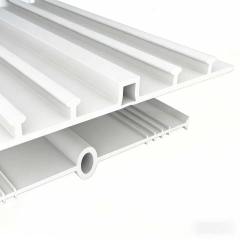
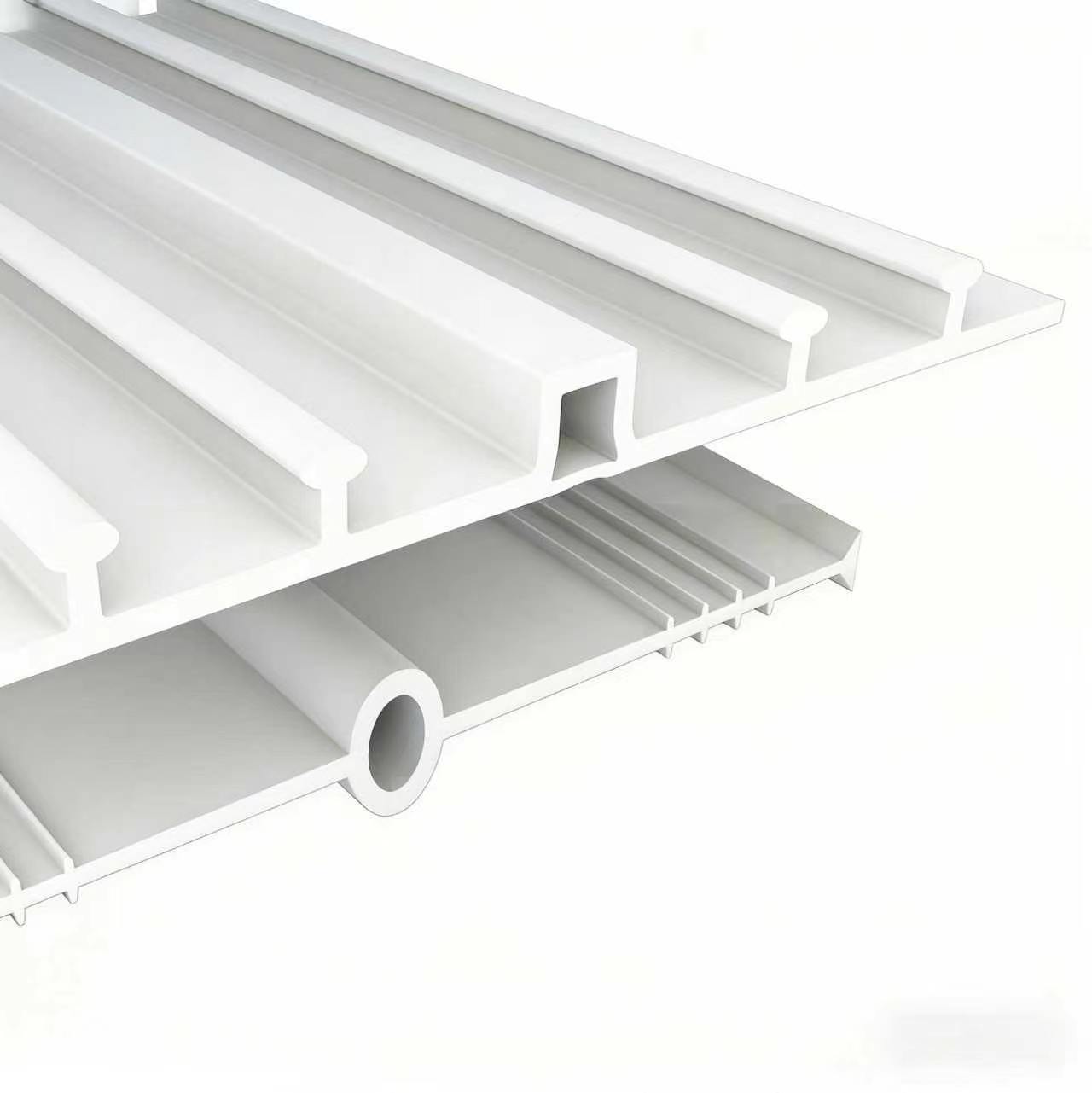
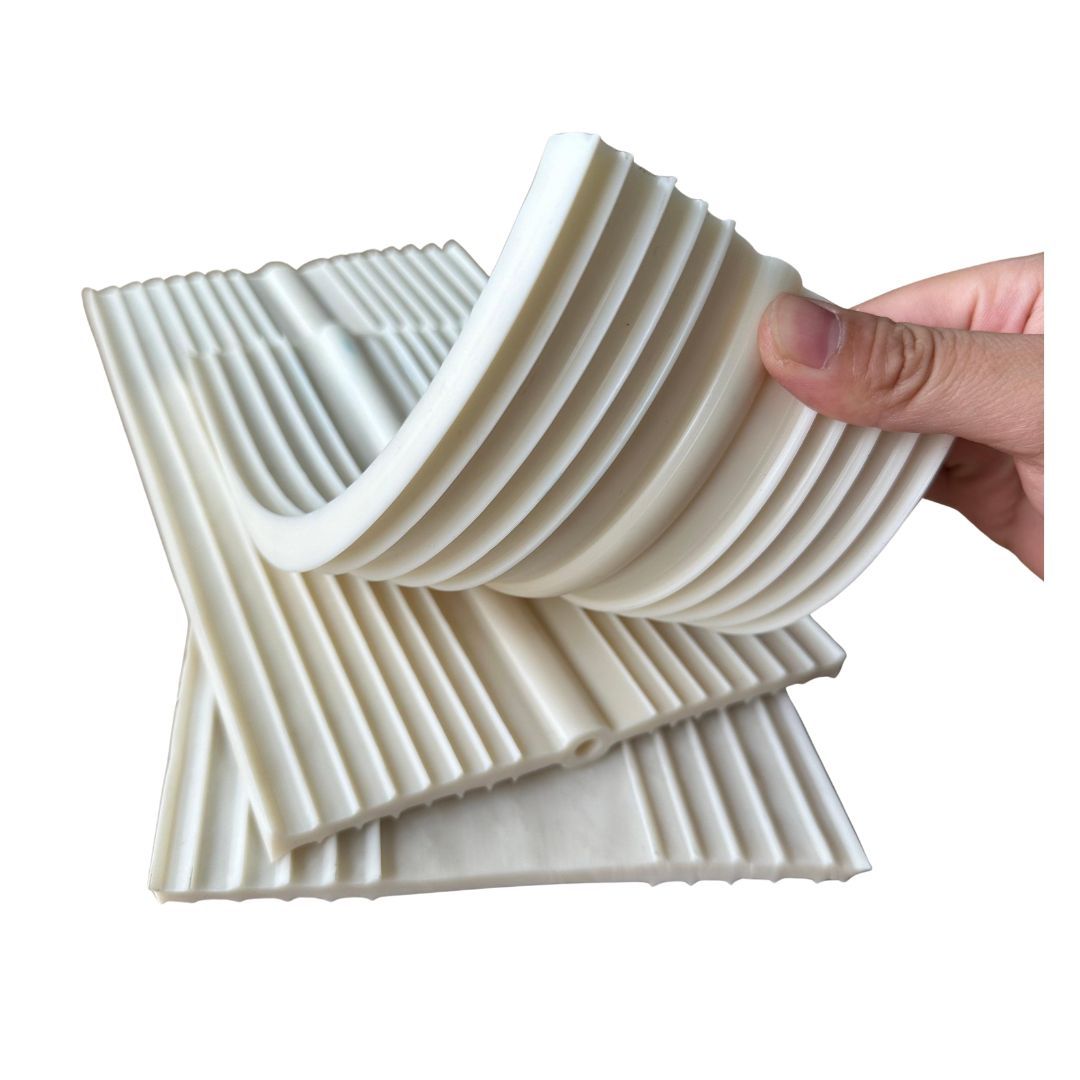
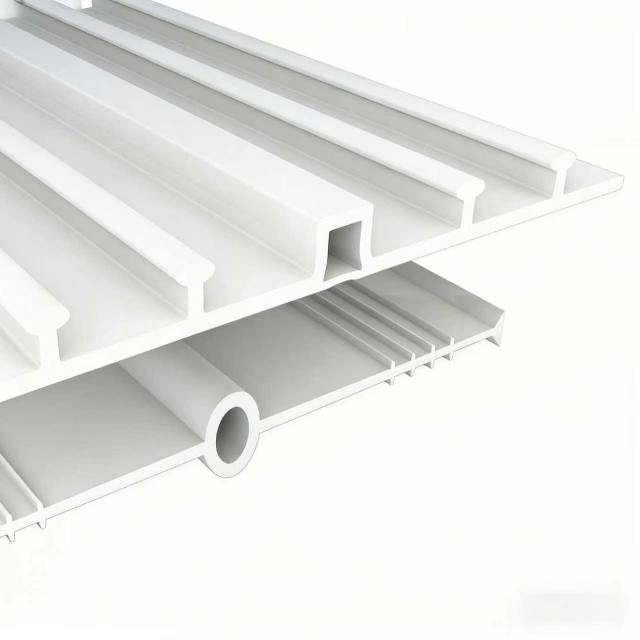
The profiles are manufactured from specially formulated PVC compounds that are engineered to withstand the demanding conditions found in civil engineering environments. These profiles come in various shapes and sizes—including center-bulb, dumb-bell, and ribbed configurations—each tailored to specific joint types and pressure ratings.


Key Material Properties

The performance of a waterstop is directly dependent on the quality of its material formulation. The PVC compounds used in our waterstops are designed to deliver a balanced combination of mechanical strength, chemical resistance, and long-term stability.

1. Excellent Chemical Resistance

Concrete structures are frequently exposed to aggressive environments, including soils with high sulfate content, groundwater containing chlorides, and industrial effluents. Our PVC waterstops exhibit outstanding resistance to alkalis, acids, and corrosive groundwater, ensuring that the material does not degrade when in contact with chemically aggressive media.

2. Low-Temperature Flexibility

One of the critical challenges in cold-weather construction is the embrittlement of polymer materials. The PVC formulations used in our waterstops retain their flexibility even at temperatures as low as -30°C, allowing for safe installation and reliable performance in cold climates without the risk of cracking or fracture.

3. Long-Term Durability and Ageing Resistance

Unlike many elastomeric materials that lose their elastic properties over time, PVC waterstops are formulated with stabilizers and antioxidants that provide exceptional resistance to ageing, UV radiation, and ozone exposure. This ensures that the waterstop maintains its mechanical properties and sealing effectiveness over decades of service.

4. Stable Performance Across a Wide Temperature Range

Our PVC waterstops are designed to function reliably in a temperature range of -30°C to +70°C. This broad operating window makes them suitable for a wide variety of climatic conditions, from arctic regions to tropical environments.


Application Areas

PVC waterstops are versatile components that find application in both water-retaining structures and water-excluding structures. Their design and material properties make them suitable for the following critical infrastructure:

Swimming Pools and Recreational Water Facilities

Watertightness is paramount in swimming pools to prevent leakage and structural damage. PVC waterstops are installed at construction joints in pool walls, floors, and gutters, ensuring that water does not migrate through the concrete.

Aqueducts and Water Conveyance Systems

Aqueducts and channels carry significant volumes of water, often under pressure. The joints in these structures are subjected to continuous hydrostatic forces. PVC waterstops provide a reliable seal that accommodates minor joint movement while preventing water loss.

Foundations and Basements

Underground foundations are continuously exposed to groundwater pressure. Waterstops installed in foundation walls, slabs, and pile caps act as a primary defense against water ingress, protecting the structural integrity of the building and its internal environment.

Canals and Irrigation Systems

Large-scale irrigation and drainage canals require durable, low-maintenance waterproofing systems. PVC waterstops are used at segmental construction joints to ensure long-term watertightness, even in soils with high moisture content.

Reservoirs and Dams

These massive hydraulic structures demand the highest level of joint integrity. PVC waterstops are employed in contraction joints, construction joints, and around embedded structures such as spillways and outlet works, providing a robust barrier against water pressure that can exceed several meters of head.

Tunnels and Underground Structures

Tunnels, including road, rail, and utility tunnels, are often located below the water table. The segmental linings and cast-in-place concrete joints are sealed with PVC waterstops to prevent groundwater infiltration, which could otherwise lead to operational issues and structural deterioration.

Silos and Storage Tanks

Structures used for storing liquids, granular materials, or chemicals require stringent water and moisture control. PVC waterstops are used in the construction joints of silos and tanks to maintain their contents and protect the surrounding environment.


Design and Installation Considerations

Profile Selection

The choice of waterstop profile depends on the type of joint, the expected water pressure, and the degree of joint movement. Common profiles include:

  • Center-bulb type: Designed for expansion joints where significant movement is expected. The hollow bulb accommodates compression and extension.
  • Dumb-bell type: Used in construction joints with minimal movement, providing a simple and effective barrier.
  • Ribbed type: Features additional ribs on the surface to enhance the bond with concrete and increase the water-resistance path.

Embedment and Placement

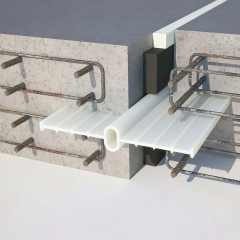
Proper installation is critical to the effectiveness of a waterstop. The profile must be securely positioned within the concrete cover, with sufficient anchorage on both sides of the joint. End-to-end connections should be made using heat fusion welding to create a continuous, leak-free seal.

Concrete Compaction

Care must be taken during concrete placement to ensure complete compaction around the waterstop, eliminating voids or honeycombing that could provide a pathway for water.


Advantages Over Alternative Systems

Compared to other joint waterproofing methods—such as bentonite strips, hydrophilic rubber, or metal waterstops—PVC waterstops offer several distinct advantages:

| Feature | PVC Waterstop | Alternative Systems | |---------|---------------|---------------------| | Chemical resistance | Excellent against alkalis, acids, and groundwater | Variable; bentonite can degrade in certain chemicals | | Installation tolerance | Flexible, can accommodate minor misalignment | Metal strips are rigid and difficult to install in complex geometries | | Long-term performance | Stable mechanical properties over decades | Hydrophilic materials can lose effectiveness after repeated wet-dry cycles | | Temperature range | -30°C to +70°C | Some rubber systems become brittle at low temperatures | | Cost-effectiveness | Low material and installation cost | Often higher cost for comparable performance |


Quality Assurance and Standards

Our PVC waterstops are manufactured under strict quality control procedures to ensure consistent dimensions, material properties, and performance. The profiles comply with international standards for waterstops, including ASTM D 7270 and EN 12365, covering aspects such as tensile strength, elongation at break, hardness, and resistance to environmental stress cracking.

Each batch is tested for:

  • Tensile strength and elongation
  • Hardness (Shore A)
  • Low-temperature flexibility
  • Chemical resistance
  • Dimensional accuracy

This commitment to quality ensures that every waterstop delivered performs as specified, providing long-term reliability in the most demanding applications.


Conclusion

PVC waterstops represent a proven, cost-effective, and highly reliable solution for waterproofing concrete joints in a wide range of civil chemical resistance, low-temperature flexibility, and long-term durability make them the preferred choice for engineers and contractors worldwide.

Whether you are constructing a swimming pool, a high-rise foundation, or a massive dam, the correct selection and installation of PVC waterstops are essential to ensuring the structural integrity and service life of the project. With a temperature operating range of -30°C to +70°C and exceptional resistance to ageing, UV, ozone, and corrosive groundwater, our PVC waterstops are engineered to perform — for decades.

For detailed technical specifications, profile drawings, or assistance with project-specific selection, our engineering team is available to provide guidance and support. Contact us today to discuss your requirements and request a quotation.


  • Title: PVC Waterstops — Engineered Waterproofing Solutions for Critical Concrete Structures
  • Keywords: PVC waterstop, concrete joint waterproofing, waterstop for swimming pools, foundation waterstop, tunnel waterproofing system, construction joint seal, PVC waterstop manufacturer, water-retaining structure seal, underground waterproofing, chemical-resistant waterstop
  • Description: PVC waterstops are high-performance profiles designed for waterproofing concrete joints in swimming pools, foundations, canals, reservoirs, dams, tunnels-term durability up to +70°C, they provide reliable protection against water penetration in both water-retaining and water-excluding structures. Ideal for civil engineering projects requiring robust, long-lasting joint sealing under hydrostatic pressure.