Facebook
  • PVC waterstops - Sealing & Waterproofing Solution
  • PVC waterstops - Sealing & Waterproofing Solution
  • PVC waterstops - Sealing & Waterproofing Solution
  • PVC waterstops - Sealing & Waterproofing Solution
  • PVC waterstops - Sealing & Waterproofing Solution
  • PVC waterstops - Sealing & Waterproofing Solution

PVC waterstops

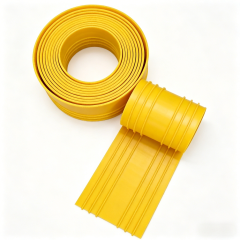
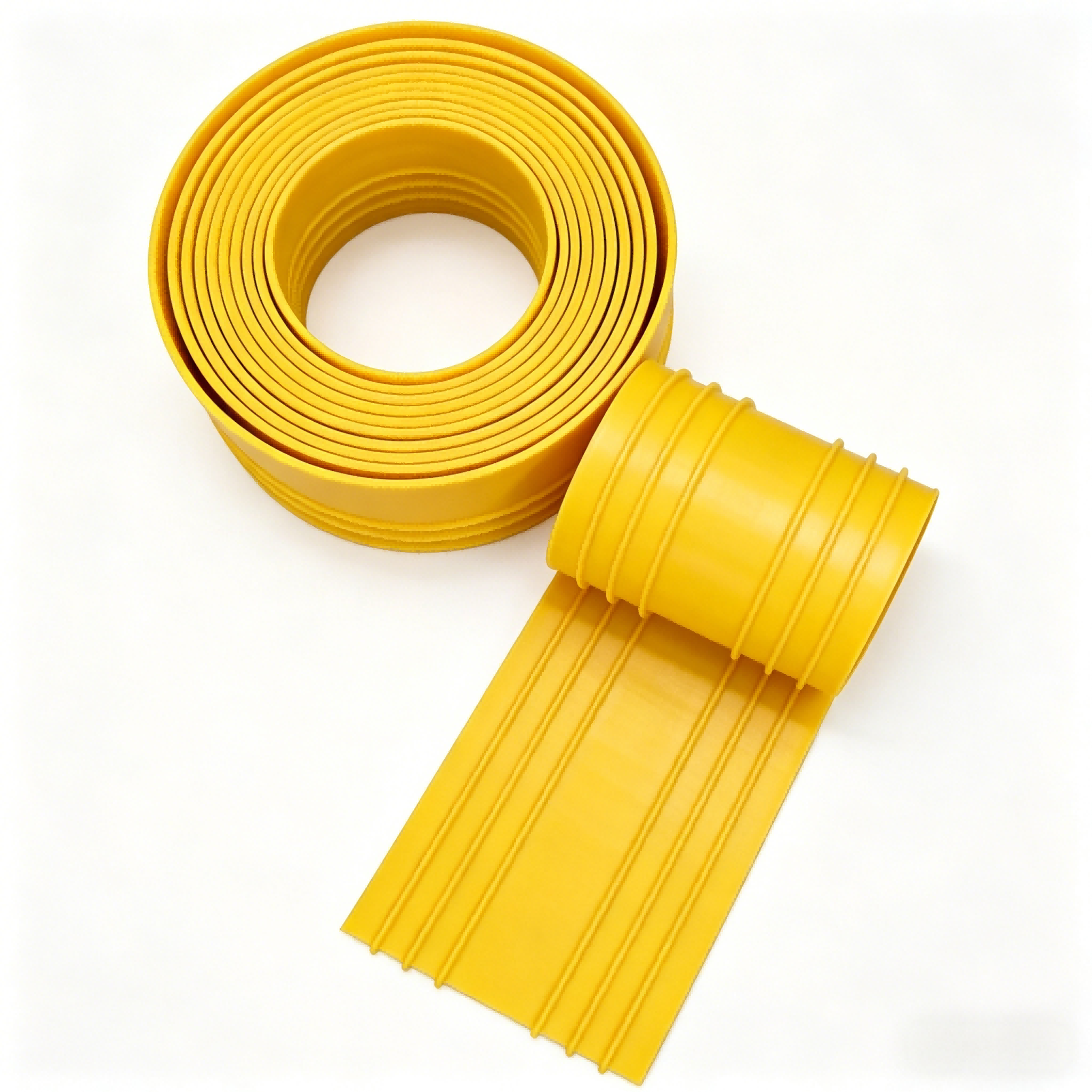
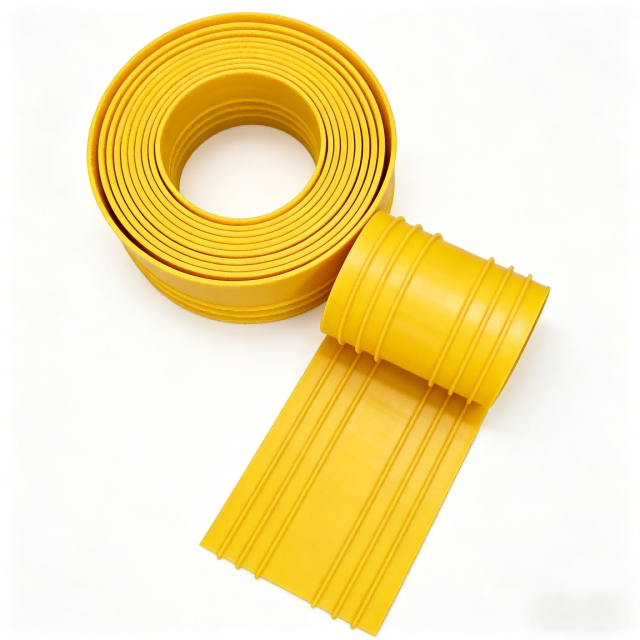
PVC waterstops are ideal for waterproofing and water containment in concrete structures including swimming pools, aqueducts, foundations, canals, reservoirs and dams. Featuring excellent chemical resistance, low-temperature flexibility and long-term durability, they provide reliable protection against water penetration in civil engineering projects.

PVC waterstop profiles are specially designed for structural construction joints, ensuring effective watertightness even under water pressure. Suitable for both water-retaining structures and underground foundations such as tunnels and silos, they perform stably in a temperature range of -30°C to +70°C. With outstanding resistance to ageing, UV, ozone, alkalis and corrosive groundwater, they maintain high flexibility and stable mechanical properties over a long service life.
  • PVC waterstops - Sealing & Waterproofing Solution
  • PVC waterstops - Sealing & Waterproofing Solution
  • PVC waterstops - Sealing & Waterproofing Solution
  • Description

  • SPECIFICATION


PVC Waterstops: Engineered Waterproofing Solutions for Critical Concrete Infrastructure

Introduction

In the realm of modern civil engineering and concrete construction, the integrity of joints often determines the long-term performance and serviceability of an entire structure. Water ingress through construction and expansion joints remains one of the most persistent challenges faced by engineers, contractors, and asset owners alike. This is where PVC waterstops have established themselves as an indispensable line of defense—a proven, cost-effective, and durable solution for preventing water penetration in a wide spectrum of concrete structures, from residential basements to massive hydroelectric dams.

This article provides an in-depth look at our PVC waterstops, exploring their material properties, design versatility, application scope, and the engineering rationale that makes them the preferred choice for waterproofing in demanding environments worldwide.


What Are PVC Waterstops?

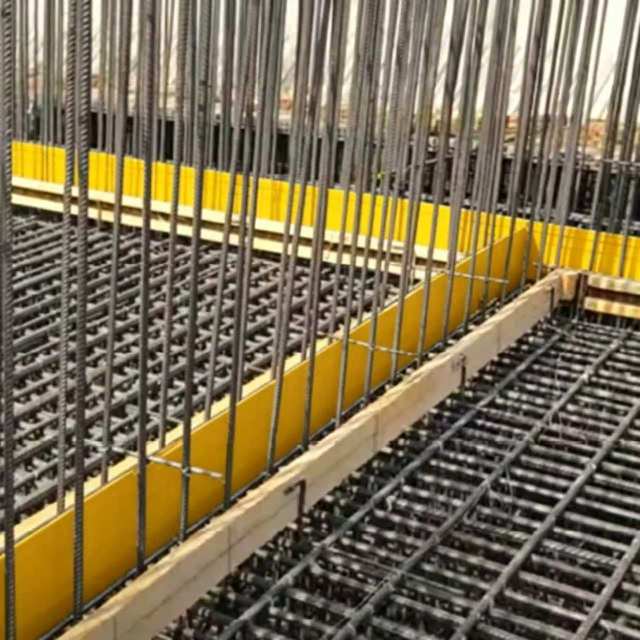
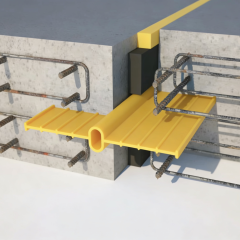
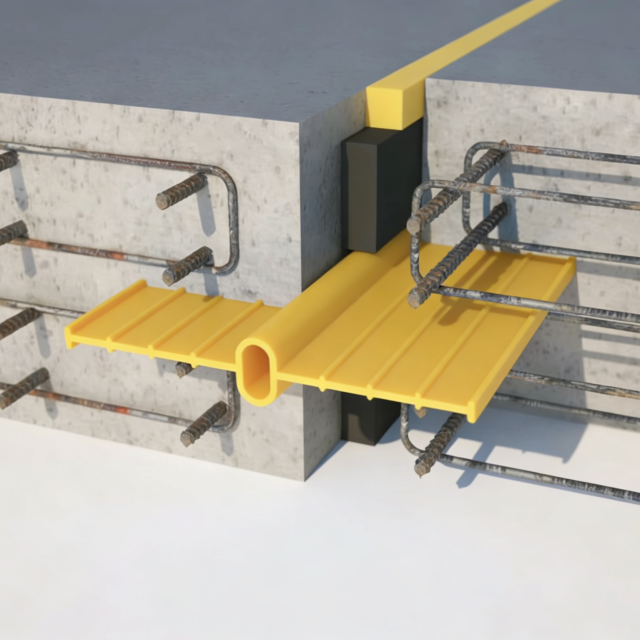
A waterstop is a continuous, embedded profile installed within concrete joints to halt the passage of water. Manufactured from high-grade polyvinyl chloride (PVC), our waterstops are specifically formulated to meet the rigorous demands of both water-retaining and water-excluding structures. They are installed at the interface of concrete pours—such as construction joints, expansion joints, and contraction joints—creating a physical barrier that remains flexible and watertight even under hydrostatic pressure.

Unlike surface-applied membranes or coatings, PVC waterstops are cast directly into the concrete, becoming an integral part of the structure. This monolithic integration ensures that the seal is not subject to delamination, mechanical damage, or UV degradation that can compromise surface treatments.


Key Material Properties and Engineering Advantages

1. Exceptional Chemical Resistance

Our PVC waterstops are formulated to withstand exposure to a wide range of chemicals commonly encountered in soil, groundwater, and industrial environments. This includes resistance to dilute acids, alkalis, salts, and many aggressive industrial effluents. In applications such as wastewater treatment plants, chemical storage facilities, and industrial foundations, this chemical inertness ensures that the waterstop does not degrade or lose its sealing capability over time.

2. Low-Temperature Flexibility

One of the critical failure modes of many plastic materials is embrittlement at low temperatures. Our PVC waterstop compound retains its flexibility down to -30°C, ensuring that joints remain capable of accommodating minor structural movements without cracking. This property is particularly vital for infrastructure in cold climates—such as underground tunnels, culverts, and reservoir structures—where thermal contraction can induce significant joint movement.

3. Long-Term Durability and Ageing Resistance

The service life of a waterstop is directly tied to the lifespan of the structure it protects. Our PVC formulation incorporates advanced stabilizers and antioxidants that provide outstanding resistance to ageing, UV radiation, ozone, and corrosive groundwater. This ensures that the mechanical properties—tensile strength, elongation at break, and tear resistance—remain stable over decades of service. In practice, PVC waterstops have a proven track record exceeding 50 years in many installations.

4. Wide Operating Temperature Range

With a reliable performance envelope spanning -30°C to +70°C, our waterstops are suitable for almost all climatic and operational conditions. Whether exposed to the freezing temperatures of alpine reservoirs or the elevated thermal loads of industrial process structures, the material maintains its physical integrity and sealing function.

5. High Flexibility and Elastic Recovery

The inherent flexibility of PVC allows the waterstop to accommodate differential settlement, concrete shrinkage, and minor seismic movements. This elasticity is not merely a comfort factor—it is a functional requirement. A rigid waterstop would crack or debond under stress, while a highly flexible one continues to maintain a watertight seal.

6. Resistance to Microbiological Attack

Unlike some natural rubber or bituminous products, PVC is not a nutrient source for microorganisms. This makes our waterstops ideal for use in sewage systems, water treatment facilities, and other environments where biological growth could compromise other sealing materials.


Applications: Where Our PVC Waterstops Deliver Value

Our PVC waterstops are engineered for versatility, serving both water-retaining structures (where water must be kept in) and water-excluding structures (where water must be kept out). Below are the primary application categories:

A. Water-Retaining Structures

  • Swimming Pools and Aquatic Centers – Preventing leakage in pool walls, floors, and expansion joints, ensuring long-term water retention and structural hygiene.
  • Aqueducts and Irrigation Canals – Maintaining continuous water flow without seepage losses, which is critical for water conservation in agricultural regions.
  • Reservoirs and Water Towers – Providing reliable waterproofing at construction joints in potable water storage facilities, where leakage is both economically and environmentally unacceptable.
  • Dams and Hydroelectric Structures – Serving as a secondary defense in massive concrete gravity dams, spillways, and stilling basins, where hydrostatic pressures are extreme.

B. Water-Excluding Structures (Underground and Below-Grade)

  • Basement and Foundation Walls – Protecting below-grade structures from groundwater ingress, which can cause structural damage, mold growth, and compromised indoor air quality.
  • Tunnels and Underground Passages – Sealing segment joints in cut-and-cover tunnels, mined tunnels, and utility galleries, where groundwater pressure is constant and often high.
  • Silos and Storage Tanks – Preventing moisture ingress that could damage stored materials, from agricultural grains to industrial chemicals.
  • Underground Car Parks and Subway Stations – Ensuring dry, safe environments in deep excavations where water table levels are high.

C. Civil Engineering and Infrastructure

  • Bridges and Retaining Walls – Protecting expansion joints from water and de-icing salts, which are major contributors to reinforcement corrosion.
  • Wastewater Treatment Plants – Resisting the aggressive chemical and biological environment of sewage and sludge handling structures.
  • Flood Defense Systems – Providing watertight seals in flood barriers, sluice gates, and river defense walls.

Design Profiles and Customization

We recognize that no two construction projects are identical. Our PVC waterstops are available in a range of profiles, each designed for specific joint configurations and performance requirements:

1. Ribbed (Dumbbell) Waterstops

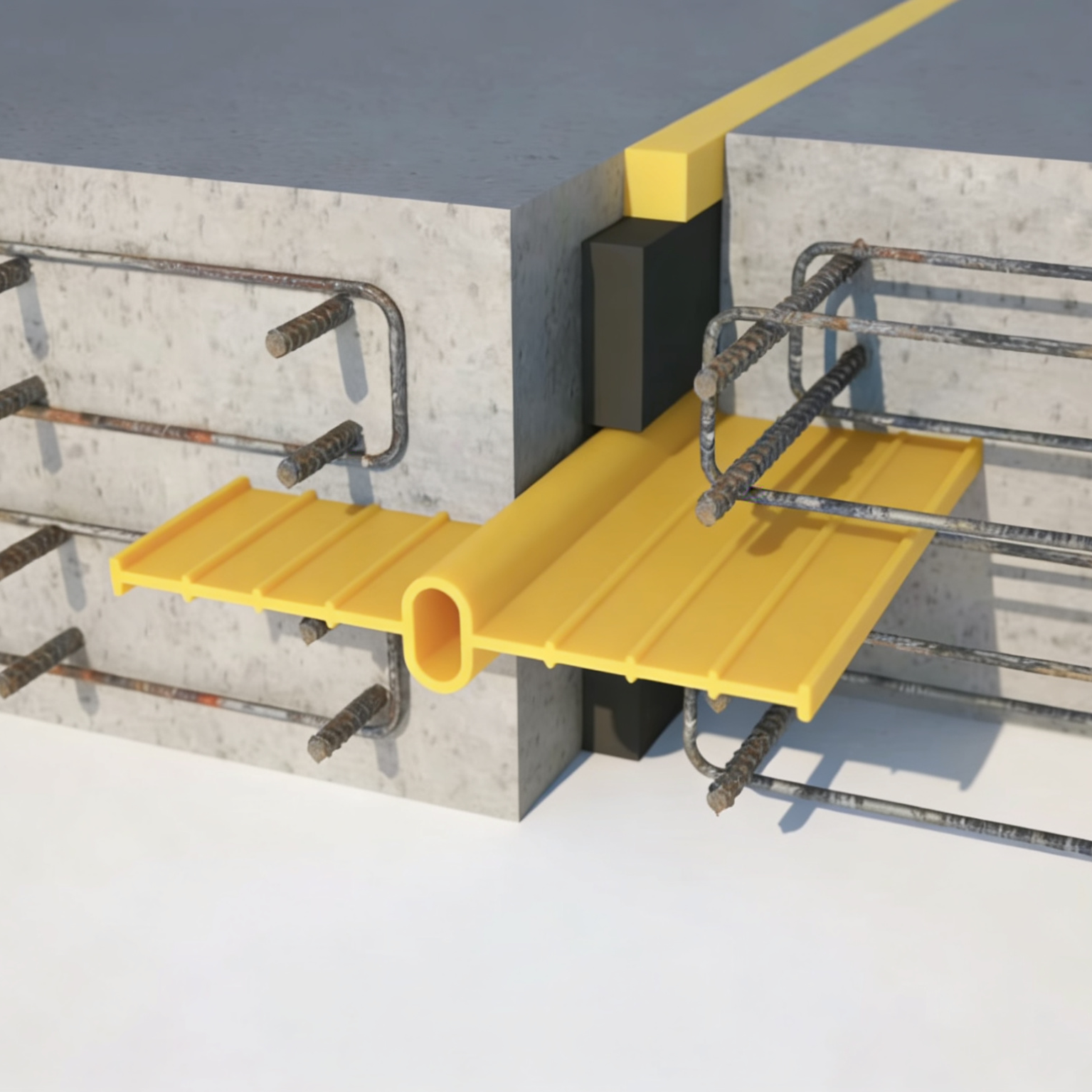
The classic profile, featuring a central bulb and symmetrical ribs. It is ideal for construction joints where concrete is poured in two stages, providing excellent anchorage and a long water path.

2. Center Bulb Waterstops

Designed for expansion joints, the central hollow bulb accommodates significant movement in tension, compression, and shear, while maintaining a continuous seal.

3. Flat (Strip) Waterstops

A simpler, cost-effective profile for low-pressure applications and secondary sealing, often used in conjunction with other waterproofing systems.

4. Labyrinth Waterstops

Featuring an intricate cross-section that extends the water path, these are used in applications where high hydrostatic pressure is expected, providing an additional barrier to water migration.

5. Custom Profiles

For specialized projects—such as very thick concrete sections, unusual joint geometries, or extreme pressure conditions—we offer custom extrusion capabilities. Our engineering team can design and manufacture profiles to meet specific project drawings and specifications.


Installation Best Practices

While the material quality of a waterstop is paramount, the success of the system is equally dependent on correct installation. We provide comprehensive technical guidance to contractors, covering:

  • Proper positioning within the joint, ensuring the waterstop is centered and at the specified depth.
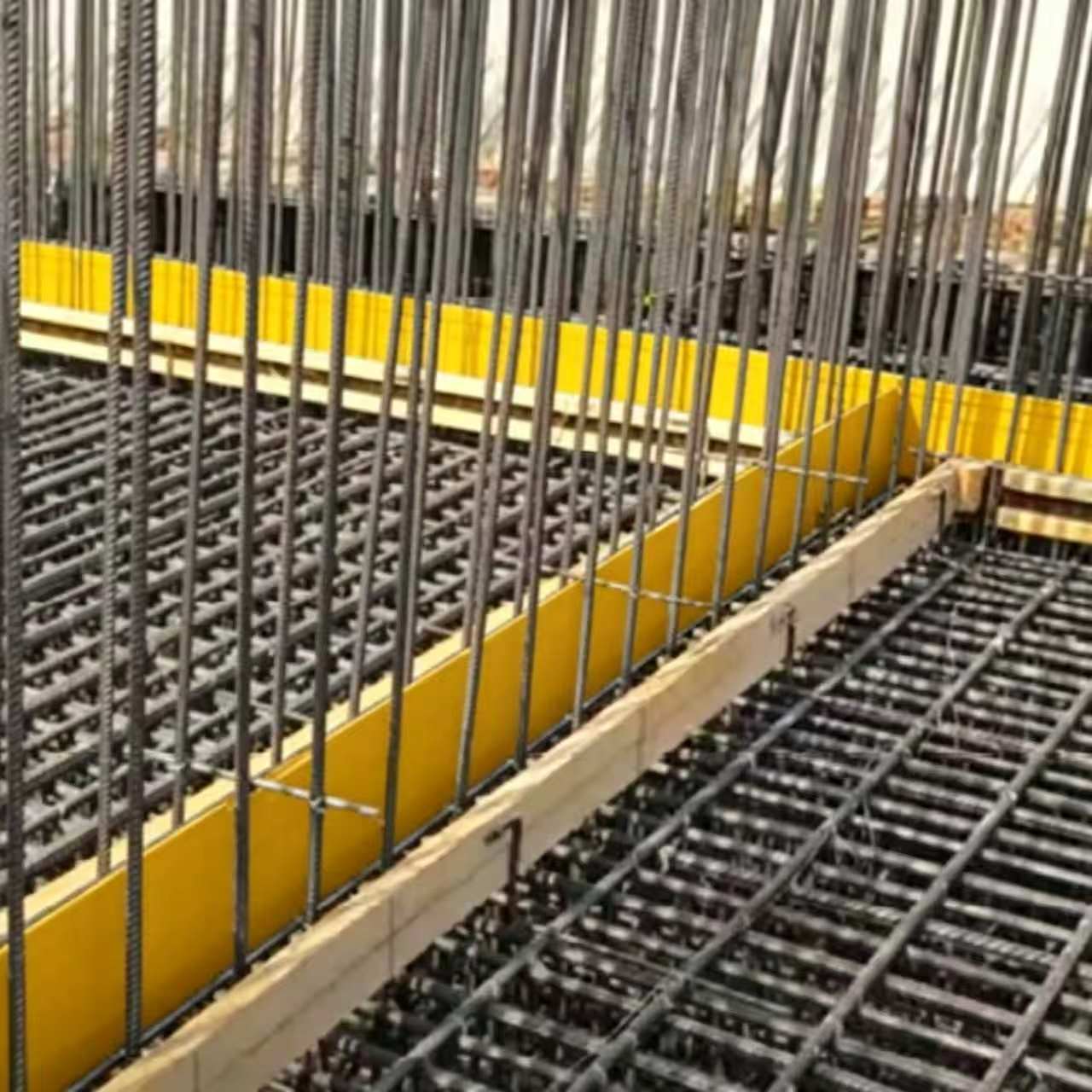
  • Secure fixing using tie wire, spacers, or proprietary clips to prevent displacement during concrete placement.
  • Splicing and joining using heat welding or solvent cementing, ensuring that all connections are as strong as the parent material.
  • Concrete compaction around the waterstop to eliminate voids and honeycombing, which could create water paths.

Compliance and Quality Assurance

Our PVC waterstops are manufactured in accordance with international standards, including ASTM D7177 (Standard Specification for PVC Waterstops) and EN 12365-1 (Gaskets and weatherstripping for doors, windows, shutters and curtain walling – Part 1: Extruded materials). Each batch is subjected to rigorous quality control testing, including tensile strength, elongation, hardness, and low-temperature brittleness tests, ensuring consistent batch-to-batch quality.


Why Choose Our PVC Waterstops?

  • Proven Material Performance – Decades of field experience in some of the world's most demanding infrastructure projects.
  • Broad Operating Envelope – From -30°C to +70°C, suitable for virtually any climate.
  • Long Service Life – Designed to match or exceed the design life of the host structure.
  • Cost-Effective – Low material cost, simple installation, and minimal maintenance requirements make PVC waterstops one of the most economical waterproofing solutions available.
  • Technical Support – Our team of engineers is available for pre-bid consultations, design assistance, and on-site installation guidance.

Conclusion

Waterproofing is not an optional feature; it is a fundamental requirement for the safety, durability, and functionality of concrete structures. Whether you are designing a municipal reservoir, a deep tunnel, or a commercial basement, the selection of a reliable waterstop is a decision that will pay dividends for decades to come.

Our PVC waterstops represent the convergence of material science, manufacturing precision, and practical engineering. They are not merely a product—they are a guarantee of performance. We invite you to contact our technical team to discuss your project requirements, request samples, or obtain a detailed quotation. Let us help you build structures that stand the test of time, dry and secure.


Title:
PVC Waterstops – High-Performance Waterproofing for Concrete Joints

Keywords:

  • PVC waterstop
  • Concrete joint waterproofing
  • Water-retaining structures
  • Underground foundation waterproofing
  • Construction joint seal
  • Hydrostatic pressure seal
  • Chemical resistant waterstop
  • Low temperature PVC
  • Tunnel and reservoir sealing
  • Durable waterstop profiles

Description:
Discover our premium PVC waterstops, engineered for reliable waterproofing in dams, tunnels, reservoirs, swimming pools, and underground foundations. Featuring outstanding chemical resistance, flexibility from -30°C to +70°C, and long-term durability against ageing, UV, ozone, and corrosive groundwater. Ideal for both water-retaining and water-excluding concrete structures. Explore profiles, applications, and technical support today.