Facebook
  • PVC waterstops - Sealing & Waterproofing Solution
  • PVC waterstops - Sealing & Waterproofing Solution
  • PVC waterstops - Sealing & Waterproofing Solution
  • PVC waterstops - Sealing & Waterproofing Solution
  • PVC waterstops - Sealing & Waterproofing Solution
  • PVC waterstops - Sealing & Waterproofing Solution

PVC waterstops

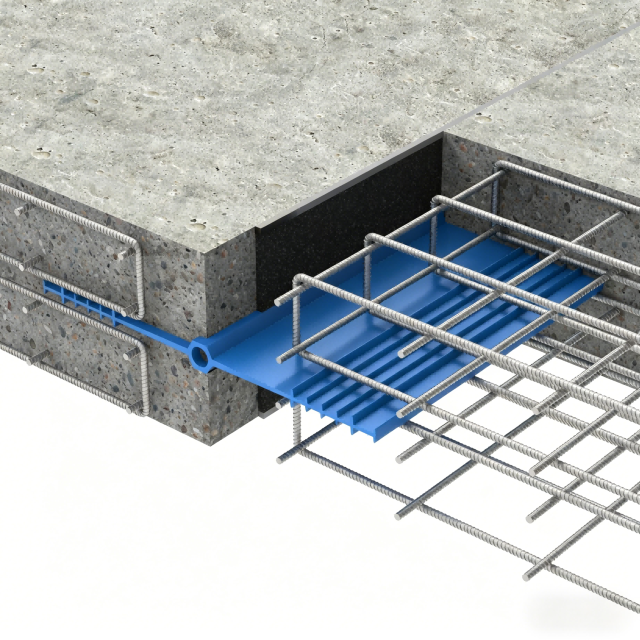
PVC waterstops are ideal for waterproofing and water containment in concrete structures including swimming pools, aqueducts, foundations, canals, reservoirs and dams. Featuring excellent chemical resistance, low-temperature flexibility and long-term durability, they provide reliable protection against water penetration in civil engineering projects.

PVC waterstop profiles are specially designed for structural construction joints, ensuring effective watertightness even under water pressure. Suitable for both water-retaining structures and underground foundations such as tunnels and silos, they perform stably in a temperature range of -30°C to +70°C. With outstanding resistance to ageing, UV, ozone, alkalis and corrosive groundwater, they maintain high flexibility and stable mechanical properties over a long service life.
  • PVC waterstops - Sealing & Waterproofing Solution
  • PVC waterstops - Sealing & Waterproofing Solution
  • PVC waterstops - Sealing & Waterproofing Solution
  • Description

  • SPECIFICATION


PVC Waterstops: Engineered Waterproofing Solutions for Critical Concrete Structures

Introduction

In the realm of modern civil engineering and construction, the integrity of concrete structures against water ingress is not merely a performance criterion—it is a fundamental safety and durability requirement. Whether it is a subterranean foundation, a municipal water reservoir, or a hydroelectric dam, the failure of a single construction joint can compromise the entire structure. This is where PVC waterstops emerge as an indispensable line of defense, serving as the primary barrier against hydrostatic pressure and moisture migration.

This article provides a comprehensive, technical overview of PVC waterstops, detailing their material properties, application scope, performance under extreme conditions, and the engineering rationale behind their widespread adoption. For procurement specialists, structural engineers, and project managers, this guide offers the critical insights needed to specify and source these components with confidence.

What Are PVC Waterstops?

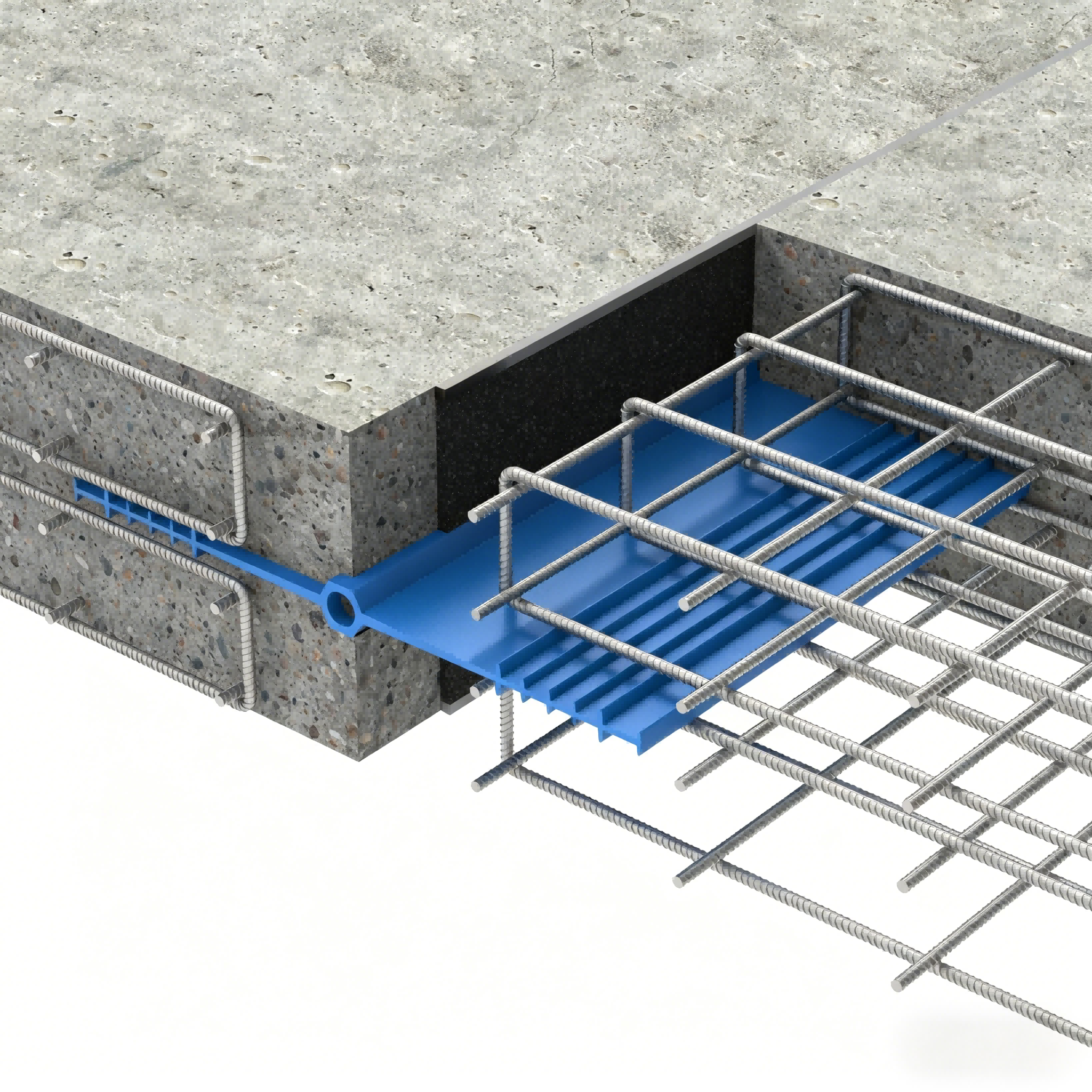
PVC (Polyvinyl Chloride) waterstops are pre-formed, flexible profiles installed within the construction joints of concrete structures. Their purpose is singular yet critical: to physically block the passage of water through the joint, even when the joint undergoes slight movement due to thermal expansion, settlement, or seismic activity.

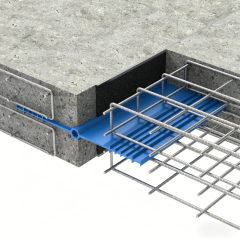
Unlike surface-applied membranes or coatings, waterstops are embedded within the concrete pour itself, creating a continuous, monolithic barrier that becomes an integral part of the structure. This internal placement ensures that the waterstop performs under the most demanding conditions, where surface treatments would be impossible to apply or maintain.

Key Material Properties and Their Engineering Significance

The performance of a waterstop is defined by its material composition. PVC is the material of choice for a vast majority of waterproofing applications due to a unique combination of properties that are critical for long-term service in harsh environments.

1. Excellent Chemical Resistance

In underground and industrial environments, concrete is often exposed to aggressive groundwater containing sulfates, chlorides, and other corrosive agents. PVC waterstops are inherently resistant to a wide range of chemicals, including dilute acids, alkalis, and salts. This resistance prevents the material from degrading, cracking, or becoming brittle when in contact with contaminated soils or wastewater, ensuring the joint seal remains intact for decades.

2. Low-Temperature Flexibility

One of the most common failure modes for rigid or semi-rigid waterproofing materials is cracking under cold conditions. PVC waterstops maintain their flexibility even at sub-zero temperatures. This low-temperature flexibility is vital for projects in cold climates, where the concrete substrate may contract, and the waterstop must accommodate movement without fracturing. The material bends and flexes with the structure rather than resisting it, preserving the seal’s integrity.

3. Outstanding Resistance to Ageing, UV, and Ozone

Civil engineering structures are designed for lifespans of 50 to 100 years or more. Over this period, the waterstop will be exposed to UV radiation during the construction phase (if left exposed), ozone in the atmosphere, and continuous physical stress. High-quality PVC waterstops are formulated with stabilizers that prevent oxidative degradation. They do not become brittle with age, nor do they lose their tensile strength, ensuring that the mechanical properties specified at the design stage remain consistent throughout the service life of the structure.

4. Resistance to Alkalis and Corrosive Groundwater

Fresh concrete has a highly alkaline pH (typically 12-13) during curing. Many polymers fail when exposed to this environment. PVC is naturally resistant to alkalis, meaning it will not soften, swell, or dissolve when in direct contact with fresh concrete. Furthermore, in environments where groundwater is contaminated with industrial effluents or aggressive mineral salts, the PVC formulation provides a robust chemical barrier that prevents leaching or degradation.

Performance Under Pressure: The -30°C to +70°C Operating Range

The operational envelope of a material is a critical specification for engineers. PVC waterstops are engineered to perform consistently within a temperature range of -30°C to +70°C.

  • At -30°C, the material retains sufficient elasticity to withstand joint movement without cracking—a critical requirement for cold storage facilities, freezing tunnels, or infrastructure in arctic regions.
  • At +70°C, the material maintains its dimensional stability and mechanical strength without softening or deforming. This makes them suitable for applications near industrial heat sources or in tropical climates where surface temperatures can rise significantly.

This wide operational range ensures that the waterstop does not require special handling or installation procedures in extreme environments, simplifying logistics and reducing on-site errors.

Primary Applications: Where PVC Waterstops Are Indispensable

PVC waterstops are specified in a diverse range of structures where water retention or exclusion is paramount. The following are the primary application domains:

1. Swimming Pools and Water Parks

These structures are subject to constant hydrostatic pressure, chemical treatment (chlorine), and thermal cycling. PVC waterstops in the expansion joints and construction joints prevent leaks that would otherwise lead to structural damage and costly water loss. Their resistance to chlorine and other pool chemicals makes them the industry standard for aquatic facilities.

2. Aqueducts and Canal Linings

Water conveyance systems rely on continuous, leak-proof channels. Any water loss in an aqueduct translates directly to economic loss and potential structural erosion. PVC waterstops installed at the segmental joints of precast or cast-in-place concrete aqueducts ensure that the entire conveyance system operates at design efficiency without seepage into the surrounding soil.

3. Foundations and Basements

Below-grade structures are constantly subjected to groundwater pressure. A building’s foundation is only as strong as its waterproofing. Waterstops placed in the cold joints of foundation walls, slabs, and pile caps create a permanent barrier against water ingress, preventing damage to interior finishes, electrical systems, and preventing the growth of mold and mildew. They are essential for underground parking garages, basements, and elevator pits.

4. Water Reservoirs and Treatment Plants

Water-retaining structures such as potable water tanks, sedimentation basins, and sewage treatment plants require absolute watertightness. The waterstop must not only prevent leakage but also prevent contamination of the water supply. PVC waterstops are non-toxic and do not leach harmful substances, making them safe for potable water applications while providing the robust seal required for wastewater treatment environments.

5. Dams and Hydroelectric Projects

Perhaps the most demanding application, dams and hydraulic structures, involves massive to extreme forces. PVC waterstops are designed to withstand these pressures, providing a flexible yet impermeable barrier that accommodates the thermal and structural movements of the massive concrete mass without failure.

6. Tunnels and Silos

  • Tunnels: Whether for road, rail, or utility, tunnels are often constructed below the water table. The segmental linings or cast-in-place concrete linings require waterstops at every joint to prevent groundwater infiltration.
  • Silos: Agricultural silos and industrial storage silos require protection from moisture ingress, which can spoil contents or cause corrosion of internal equipment. PVC waterstops provide a reliable seal against groundwater and surface water run-off.

Design Advantages for Structural Construction Joints

The effectiveness of a waterstop is heavily dependent on its profile design. PVC waterstop profiles are not generic strips; they are engineered with specific geometries to anchor them securely within the concrete and to maximize the path of water travel.

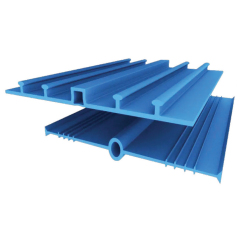
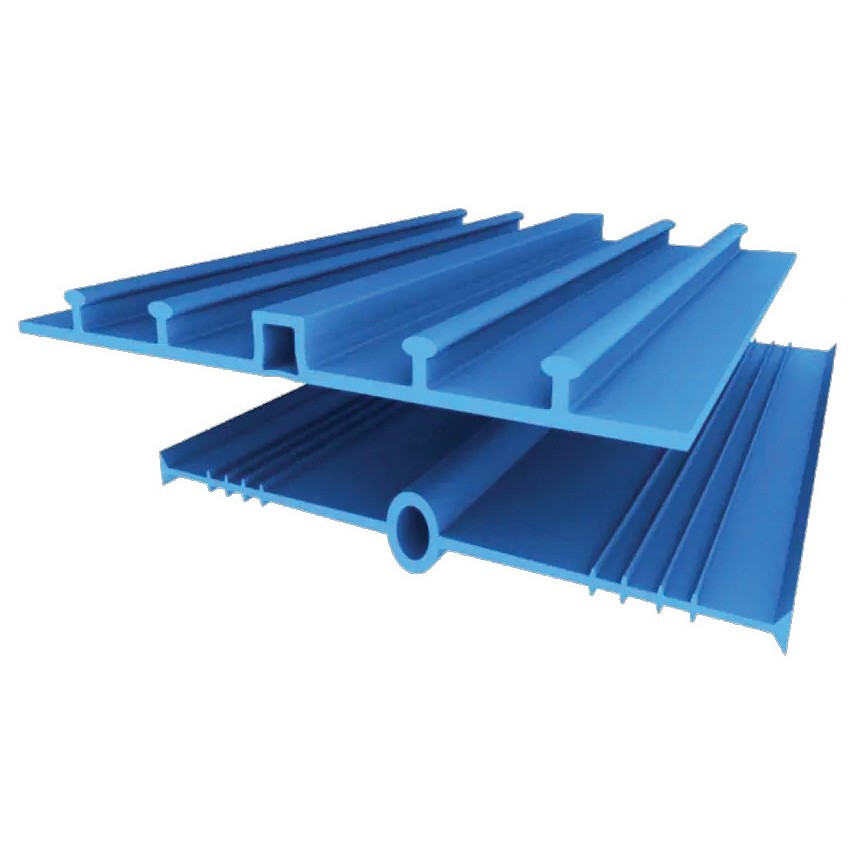
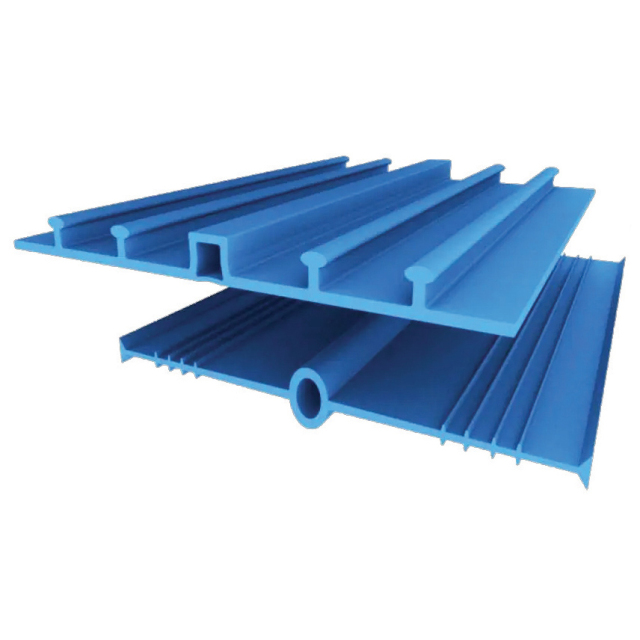
  • Ribs and Bulbs: The profiles feature strategically placed ribs and central bulbs that increase the water path (tortuous path) and provide a mechanical interlock with the concrete. This prevents water from tracking along the interface between the PVC and the concrete.
  • Center Bulb Design: The central expansion bulb accommodates joint—without stressing the concrete edges. This is crucial for joints where differential settlement or thermal movement is expected.
  • Easy Splicing: PVC waterstops can be efficiently joined using hot-air welding or solvent cement, creating a continuous, leak-proof loop. This ensures that the waterproofing is not compromised at the junction points, which are often the weakest links in a waterproofing system.

Long-Term Durability and Service Life

The true cost of a waterproofing system is measured not by its initial price, but by its performance over the asset’s lifetime. The long-term durability of PVC waterstops eliminates the need for costly post-construction repairs or retrofitting, which is often impossible once the concrete is poured.

  • High Flexibility Retention: The plasticizers used in high-grade PVC waterstops are designed to stay within the polymer matrix, preventing the material from becoming stiff and brittle over time (a common issue with inferior products).
  • Stable Mechanical Properties: Tensile strength, elongation at break, and tear resistance remain stable over decades of service. This ensures that the waterstop can continue to accommodate structural movements without losing its sealing capability.

Why Choose PVC Over Alternative Materials?

While rubber (rubber waterstops) and bentonite-based products exist, PVC offers a superior balance of cost, performance, and ease of installation:

| Feature | PVC Waterstops | Rubber Waterstops | | :--- | :--- | :--- | | Chemical Resistance | Excellent against alkalis & acids | Good, but can swell in oils | | Temperature Range | -30°C to +70°C (stable) | Often limited to -20°C to +60°C | | Weldability | Easy, strong hot-air welding | More complex vulcanization required | | Cost-Effectiveness | High value for money | Generally higher material cost | | UV Resistance | Excellent (with stabilizers) | Good, but surface cracking possible |

For the majority of civil engineering applications, PVC provides the most reliable and economical solution.

Installation Considerations for Maximum Efficacy

To guarantee the performance of PVC waterstops, strict adherence to installation guidelines is required:

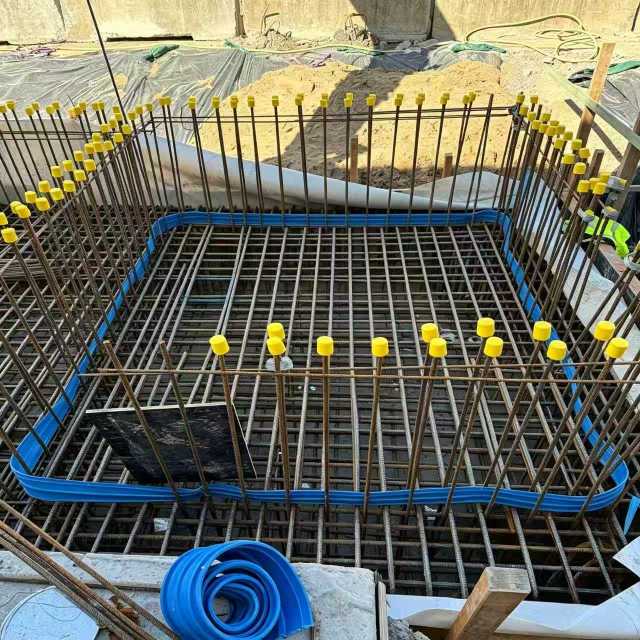
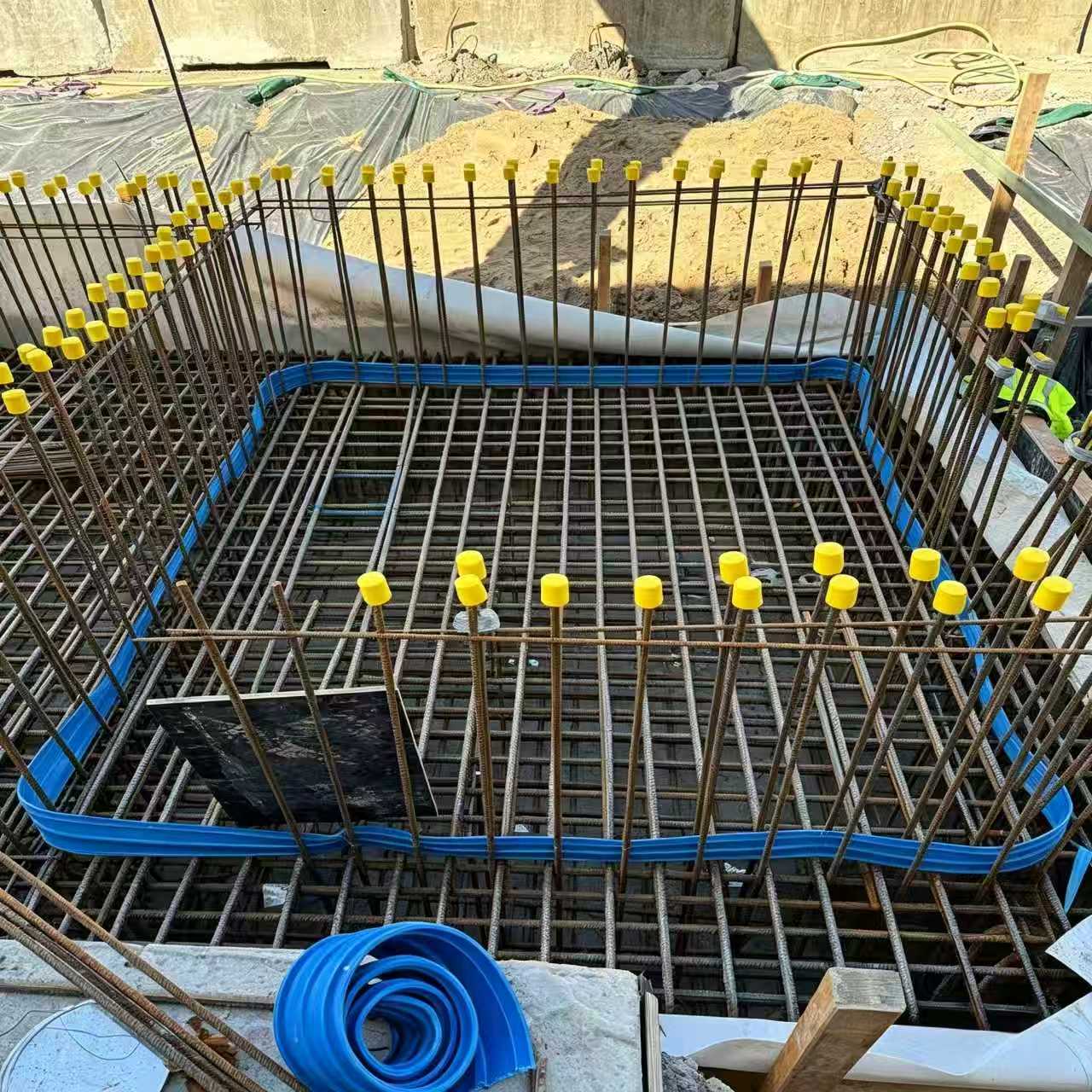
  1. Secure Fixing: The waterstop must be securely tied to the rebar or formwork to prevent displacement during concrete pouring.
  2. Proper Splicing: All joints must be welded using a hot-air gun with a welding rod of the same material, ensuring a homogeneous bond.
  3. Correct Positioning: The waterstop should be centered in the joint to maximize the concrete cover on both sides, ensuring proper anchorage.
  4. Concrete Compaction: The concrete around the waterstop must, which would provide a path for water.

Conclusion

PVC waterstops represent a mature, proven, and highly effective technology for ensuring the watertight integrity of concrete structures. Their exceptional resistance to chemicals, UV, ozone, and alkalis, combined with a wide operational temperature range and long-term mechanical stability, makes them the preferred choice for engineers worldwide.

From the foundation of a high-rise building to the massive walls of a dam, these profiles provide the critical, invisible barrier that protects capital investments and ensures operational safety. When specifying waterproofing for your next project, selecting a high-quality PVC waterstop is not just a component choice—it is a strategic decision for structural longevity.

For detailed technical datasheets, profile drawings, or a quotation for your specific project requirements, we invite you to contact our engineering team. Our specialists are ready to assist you in selecting the optimal waterstop profile for your unique application.


  • Title: High-Performance PVC Waterstops for Concrete Joint Waterproofing
  • Keywords: PVC waterstop, concrete joint waterproofing, construction joint seal, water-retaining structures, underground foundation waterproofing, chemical resistant waterstop, dam waterproofing, swimming pool waterstop, tunnel waterproofing, -30°C to +70°C waterstop
  • ** Featuring excellent chemical resistance, low-temperature flexibility, and long-term stability. Ideal for critical civil engineering projects. Request a quote today.