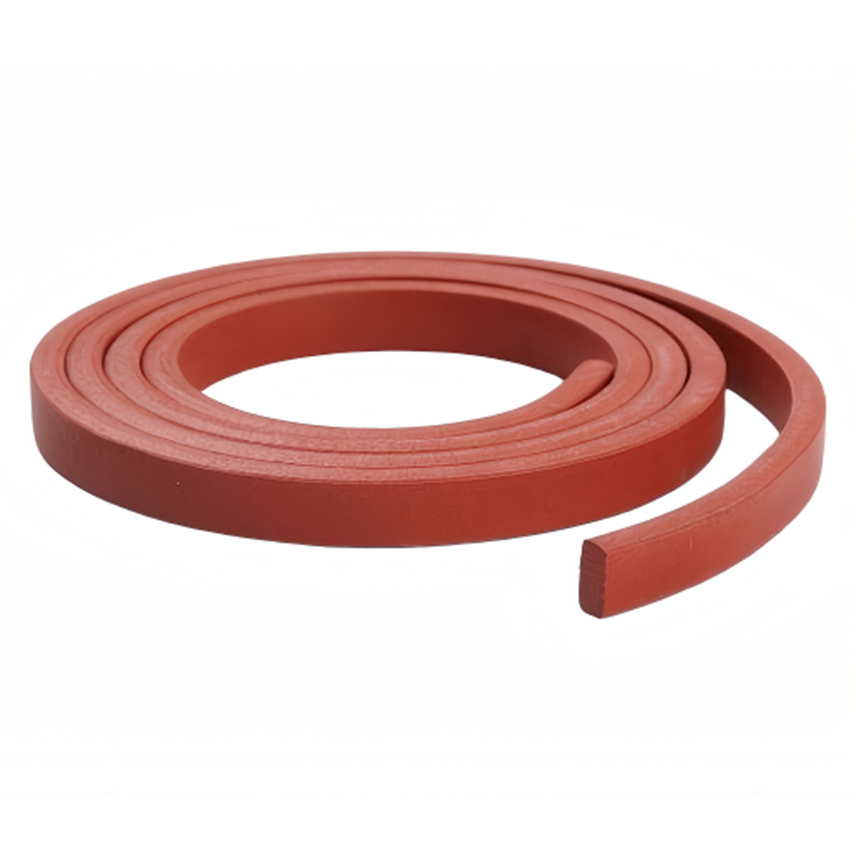
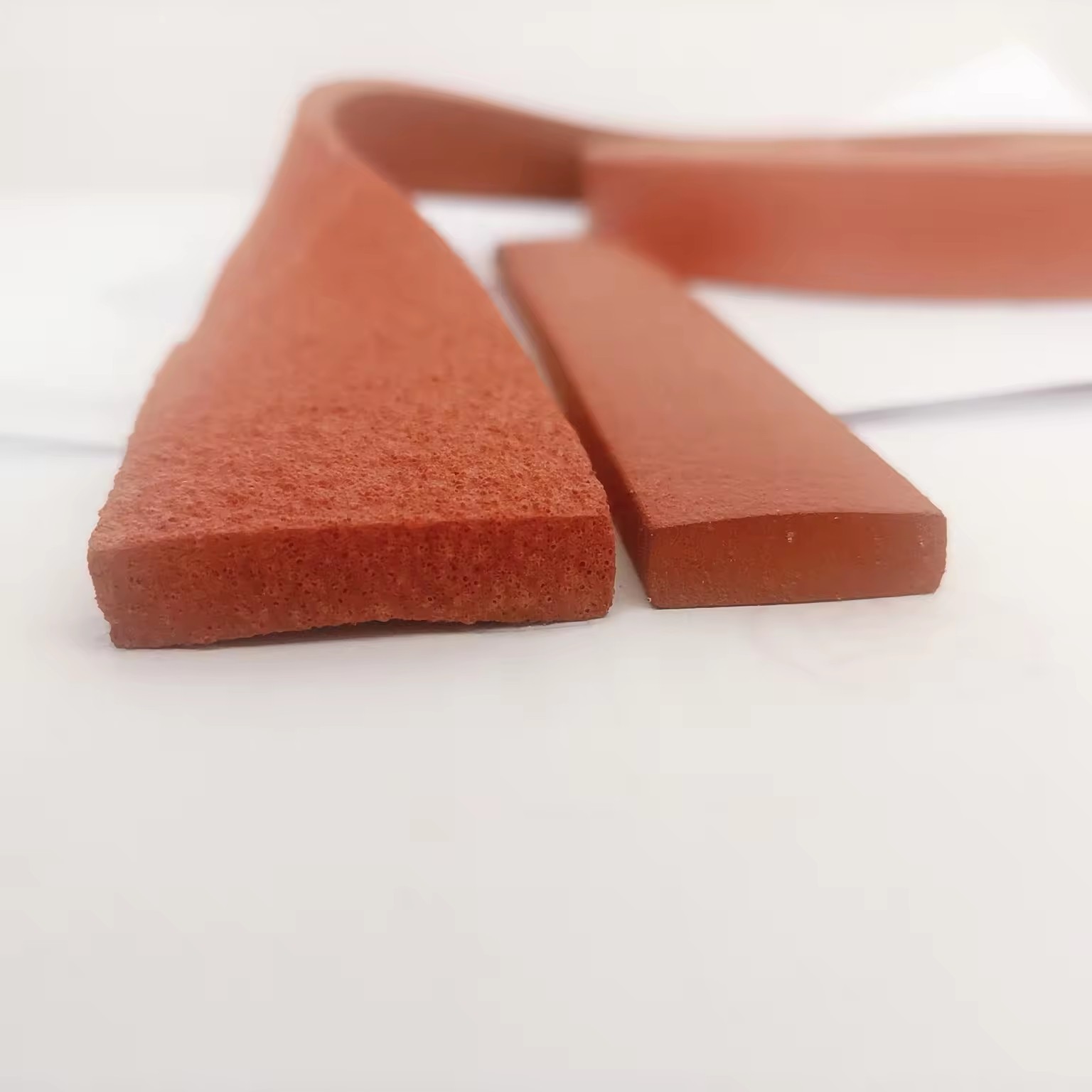
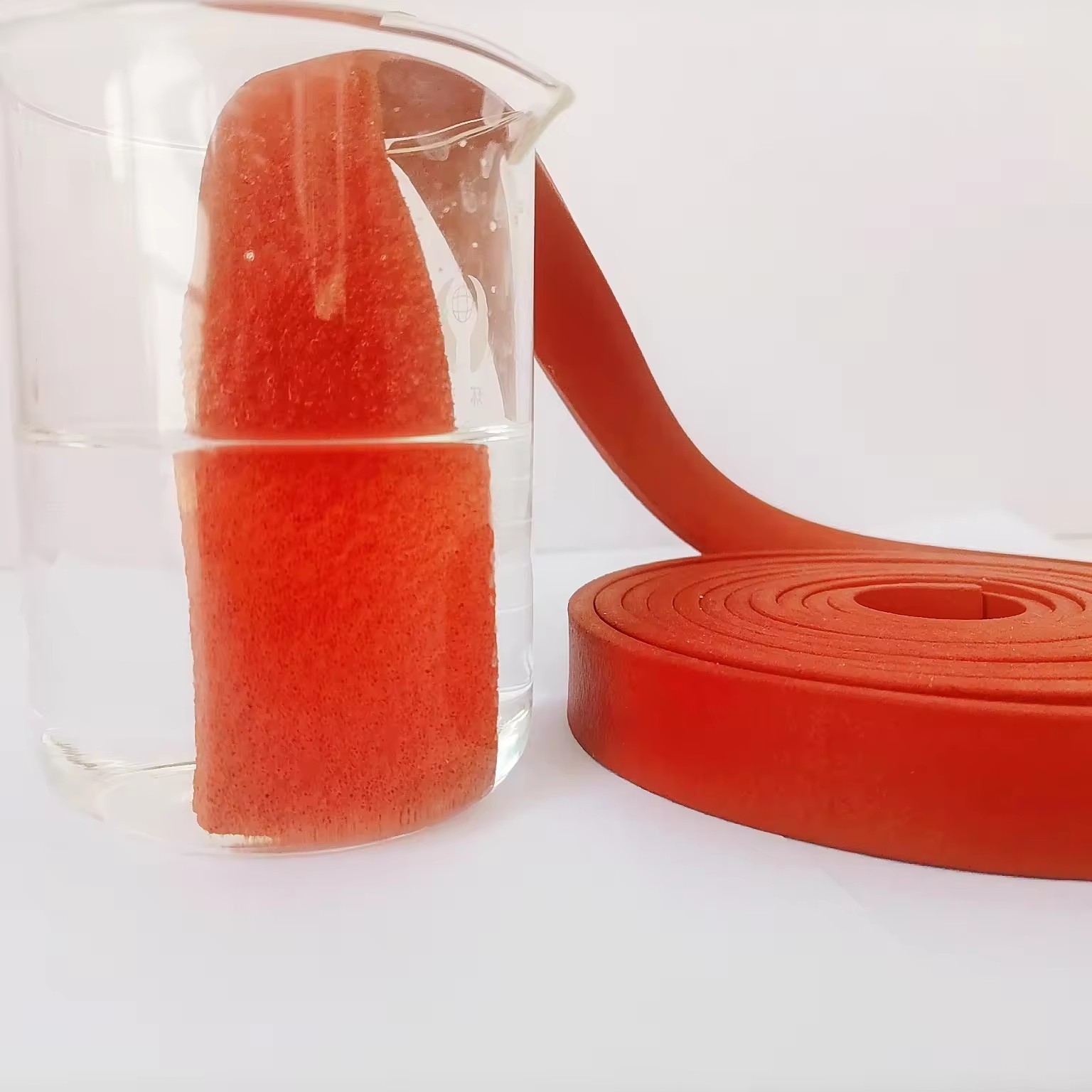
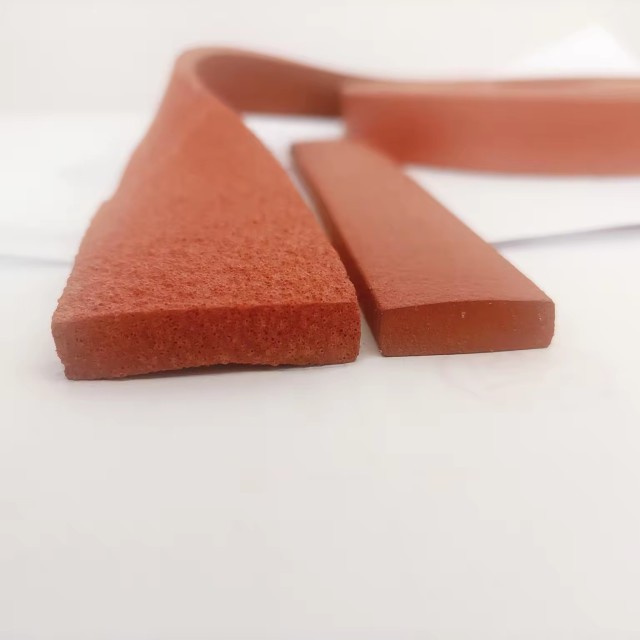
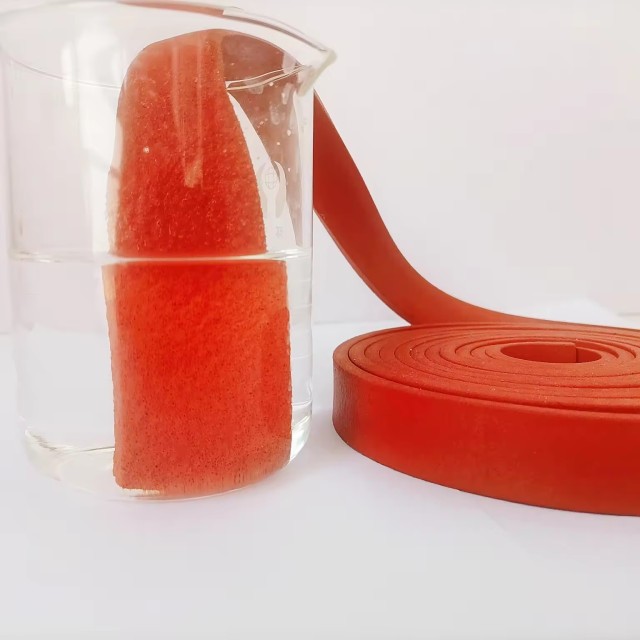
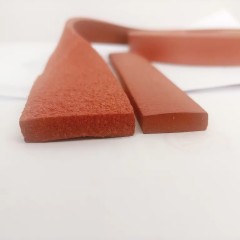
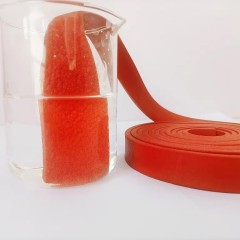
Hydrophilic waterstops have become essential in modern concrete construction, ensuring reliable watertight performance for below-grade structures including parking garages, underground warehouses, commercial spaces and tunnels. As a professional provider of specialized below-grade waterproofing solutions, Arisons offers a full range of high-quality, cost-effective hydrophilic waterstops engineered to satisfy the strict water containment demands of contemporary construction projects.
Hydrophilic Waterstop: Engineered Watertight Integrity for Below-Grade Concrete Structures
Introduction: The Unseen Guardian of Subterranean Construction
In the realm of modern concrete construction, the battle against water ingress is fought not at the surface, but deep within the structural joints and cold seams that compromise a building's envelope. For parking garages, underground warehouses, commercial basements, and transportation tunnels, the margin between a dry, serviceable facility and a costly, litigation-prone liability is measured in millimeters of carefully placed sealant. This is where the hydrophilic waterstop has emerged as an indispensable line of defense—a proactive, swelling barrier that activates precisely where conventional methods fail.
Unlike traditional PVC or rubber waterstops that rely on passive physical compression, hydrophilic waterstops are chemically engineered to react to moisture. When embedded in a concrete joint, they absorb water and expand to many times their original volume, creating a dense, impermeable seal that conforms to the micro-irregularities of the concrete matrix. This self-activating mechanism offers a unique advantage: it requires no specialized installation tools, no welding of complex intersections, and no reliance on perfect concrete consolidation to achieve a watertight result.
As a dedicated provider of specialized below-grade waterproofing solutions, Arisons has positioned itself at the forefront of this technology. Our comprehensive range of hydrophilic waterstops is not merely a product line—it is a systematic answer to the most demanding water containment challenges in contemporary construction. This article delves into the technical anatomy, application methodologies, and performance economics of our hydrophilic waterstop solutions, offering engineers, contractors, and project owners a clear understanding of why this material has become the specification of choice for critical infrastructure worldwide.
1. The Science of Swelling: How Hydrophilic Waterstops Work
At the core of every hydrophilic waterstop lies a polymer matrix—typically composed of bentonite, sodium polyacrylate, or a proprietary blend of hydrophilic resins. When dry, the material remains stable and manageable, allowing for easy handling and placement. Upon contact with water, a process of osmosis and capillary absorption initiates a controlled, three-dimensional expansion.
Activation Threshold: Our waterstops are calibrated to begin swelling within hours of water exposure, reaching full expansion (typically 200% to 300% of original volume) within 48 to 72 hours, depending on water chemistry and ambient temperature.
Self-Sealing Pressure: The expansive force generated is not merely volumetric—it creates a continuous compressive stress against the surrounding concrete. This pressure, often exceeding the hydrostatic head of the water column it resists, ensures that the seal remains intimate and effective even under fluctuating groundwater levels.
Reversibility and Durability: One of the most misunderstood aspects of hydrophilic technology is its response to wet-dry cycles. High-quality waterstops, such as those from Arisons, are formulated to undergo partial desiccation and re-swelling without significant loss of performance. This makes them particularly suitable for construction phases where groundwater may be temporarily lowered and later restored.
It is critical to distinguish between surface hydrophilic sealants and joint-embedded waterstops. The latter are designed to be cast directly into the concrete during placement, creating a monolithic bond that cannot be peeled away or displaced by hydrostatic uplift. Our manufacturing process ensures a consistent cross-section and uniform dispersion of active agents, eliminating the "dead zones" that plague inferior extruded products.
2. Product Range and Technical Specifications
Arisons offers a versatile portfolio of hydrophilic waterstops, each tailored to specific joint configurations and performance requirements. Below is a detailed breakdown of our primary product categories:
2.1 Arisons Standard Swelling Waterstop (ASW Series)
Composition: Modified sodium bentonite encapsulated in a butyl rubber carrier.
Maximum Swelling Ratio: Up to 300% in deionized water; ≥200% in saline or alkaline conditions.
Service Temperature: -20°C to +80°C (continuous).
Application: Ideal for cold joints in mass concrete pours, foundation slabs, and retaining walls where moderate hydrostatic pressure (up to 30 meters head) is anticipated.
Composition: 100% natural sodium bentonite granules bound within a biodegradable carrier strip.
Profile Options: Strip (25mm × 30mm) with a self-adhesive backing for quick positioning.
Maximum Swelling Ratio: Up to 400% by volume; expansive pressure up to 0.8 MPa.
Service Temperature: -10°C to +60°C.
Application: Best suited for vertical joints in diaphragm walls, pile caps, and tunnel linings where a high degree of ground movement is expected.
2.3 Arisons Crystalline Waterstop (ACW Series)
Composition: A proprietary blend of Portland cement, fine silica sand, and active hydrophilic chemicals that react with water to form insoluble crystalline filaments within the concrete pores.
**Profile or mortar at joint faces; also available as a preformed strip.
Penetration Depth: Up to 300mm into the concrete matrix over time.
Service Temperature: -30°C to +120°C.
Application: For critical structures requiring self-healing of micro-cracks, such as wastewater treatment plants, deep basements, and submerged foundations.
2.4 Comparative Performance Table
| Parameter | ASW Series | AHC Series | ACW Series |
|------------|-------------|-------------|-------------|
| Swelling Mechanism | Osmotic (polymer) | Osmotic (clay) | Crystalline growth |
| Max Swelling Ratio | 300% | 400% | N/A (chemical reaction) |
| Hydrostatic Resistance | Up to 30m | Up to 50m | Up to 100m+ |
| Installation Method | Nail/screw or adhesive | Self-adhesive | Trowel/brush or strip |
| Suitability for Active Water | Moderate | High | Excellent |
Each product is supplied with a technical data sheet, including ASTM D412 tensile strength, ASTM D471 water absorption, and ASTM D624 tear resistance values, ensuring full traceability for quality assurance audits.
3. Installation Best Practices: Ensuring Zero-Defect Performance
The efficacy of any waterstop is directly proportional to the discipline of its installation. Even the most advanced hydrophilic material will fail if the concrete around it is poorly consolidated or if the joint surfaces are contaminated. Arisons provides comprehensive on-site technical support, but the following principles are non-negotiable:
3.1 Surface Preparation
The concrete surface at the joint must be free of laitance, oil, grease, and loose particles. High-pressure water jetting (≥300 bar) or abrasive blasting is recommended.
For ACW Series, the substrate should be pre-saturated with clean water to enhance crystalline penetration.
3.2 Positioning and Fixing
The waterstop should be centered on the joint, with equal embedment on both sides of the planned construction joint.
Use corrosion-resistant nails, plastic clips, or approved adhesive to hold the waterstop in place. Avoid overstretching or kinking the material—this creates thin spots that compromise expansion.
For vertical joints, temporary formwork must be designed to prevent displacement during concrete placement.
3.3 Concrete Placement
The concrete around the waterstop must be placed and vibrated with care. Over-vibration can cause aggregate segregation and create voids; under-vibration leaves honeycombing. A 50mm cover of well-graded concrete around the waterstop is the minimum requirement.
Lap joints between adjacent waterstop sections should be a minimum of 100mm, with the ends scarified and bonded using the manufacturer's approved adhesive or heat fusion (for ASW/AHC types).
3.4 Common Failure Modes to Avoid
Incorrect profile selection: Using a low-expansion strip in a high-head environment.
Exposure to sunlight: Prolonged UV exposure can degrade the butyl carrier before embedding.
Premature swelling: If groundwater or rain inundates the joint before concrete placement, the waterstop may expand prematurely, making subsequent concrete bonding difficult. Protective covers or temporary drainage are essential.
4. Why Choose Arisons Hydrophilic Waterstops?
4.1 Cost-Effectiveness Beyond the Unit Price
The initial cost of a hydrophilic waterstop is often 30–50% lower than an equivalent PVC waterstop system when factoring in installation labor, joint preparation, and the elimination of welding equipment. However, the true economic advantage lies in lifecycle performance. A failed waterstop in a below-grade structure can require excavation, demolition, and re-construction—costs that dwarf any savings from inferior materials. Our products are backed by accelerated aging tests that simulate 50 years of service, giving specifiers confidence in long-term asset protection.
4.2 Engineering Support and Customization
Arisons does not operate a "one-size-fits-all" sales model. Our engineering team works with project consultants to analyze groundwater chemistry (e.g., chloride content, sulfate attack), anticipated hydrostatic pressure, and joint movement profiles. We can produce custom cross-sections, reinforced versions with metal mesh for high-pressure applications, and even hybrid systems that combine hydrophilic and expansive clay technologies for redundancy.
4.3 Sustainability and Safety
Hydrophilic waterstops contain no volatile organic compounds (VOCs) and are inert once cured. They do not leach harmful chemicals into groundwater, making them suitable for projects adjacent to sensitive aquifers or in green building certification programs (LEED, BREEAM). Additionally, their lightweight nature reduces transportation emissions compared to rigid PVC profiles.
4.4 Global Supply Chain and Quality Assurance
All Arisons waterstops are manufactured in ISO 9001:2015 certified facilities, with batch-level traceability. We maintain regional stock in North America, Europe, the Middle East, and Asia-Pacific, ensuring lead times of 2–4 weeks for standard profiles. Every shipment includes a certificate of conformance and, upon request, third-party testing reports from accredited laboratories.
5. Application Case Studies: Real-World Validation
To illustrate the practical value of our products, consider the following representative scenarios:
5.1 Underground Parking Garage – Coastal City, UAE
A three-level basement parking structure with a water table 2 meters above the lowest slab. The original design specified PVC waterstops, but the contractor encountered significant delays due to complex joint intersections. Switching to Arisons ASW Series with self-adhesive backing reduced installation time by 60%. After two years of seasonal groundwater fluctuation, zero leakage was recorded at any construction joint.
5.2 Cross-Harbor Tunnel – Southeast Asia
A bored tunnel section experiencing high chloride ingress from seawater. The design team selected the ACW Crystalline Series for its ability to self-heal micro-cracks induced by ground settlement. Post-construction monitoring showed chloride penetration depths 75% lower than the control section using conventional waterstops.
5.3 Deep Basement Warehouse – Northern Europe
A cold-climate warehouse with a 12-meter-deep basement. Sub-zero temperatures during winter construction posed a risk of premature freezing of the waterstop. The AHC Series, with its lower activation temperature, allowed successful placement and subsequent expansion during spring thaw. The facility has remained dry through three successive freeze-thaw cycles.
6. Conclusion: A Strategic Investment in Structural Longevity
The selection of a waterstop is not a procurement afterthought—it is a structural design decision with decades-long consequences. Hydrophilic waterstops from Arisons offer a compelling combination of active performance, installation efficiency, and cost transparency. They are not merely a product; they are an engineered solution that respects the realities of construction-site conditions while delivering laboratory-verified performance.
For project owners, this means reduced risk of costly water damage claims and enhanced asset value. For contractors, it translates into faster cycle times and fewer callbacks. For engineers, it provides a reliable tool to specify with confidence, backed by comprehensive data and responsive technical support.
We invite you to contact our engineering team for a detailed consultation on your upcoming below-grade project. Whether you require product samples, joint detail drawings, or a full waterproofing system design review, Arisons is committed to being your partner in building dry, durable, and sustainable structures.
Title: Hydrophilic Waterstop | Arisons – Self-Swelling Concrete Joint Seal for Below-Grade Structures
Keywords:
hydrophilic waterstop
concrete waterstop
swelling waterstop
below-grade waterproofing
construction joint seal
basement waterproofing
- crystalline waterstop
Arisons waterstop
underground concrete seal
Description:
Arisons hydrophilic waterstops are self-activating, moisture-reactive joint seals engineered for below-grade concrete structures. They expand up to 400% by volume to create a permanent, pressure-resistant barrier against groundwater ingress in parking garages, basements, tunnels, and underground warehouses. Available in polymer, bentonite clay, and crystalline formulations, our waterstops deliver reliable performance under high hydrostatic pressure, resist chloride and sulfate attack, and reduce installation time by up to 60% compared to traditional PVC systems. Backed by ISO-certified manufacturing, global stock availability, and full engineering support. Request a quote or technical consultation today.