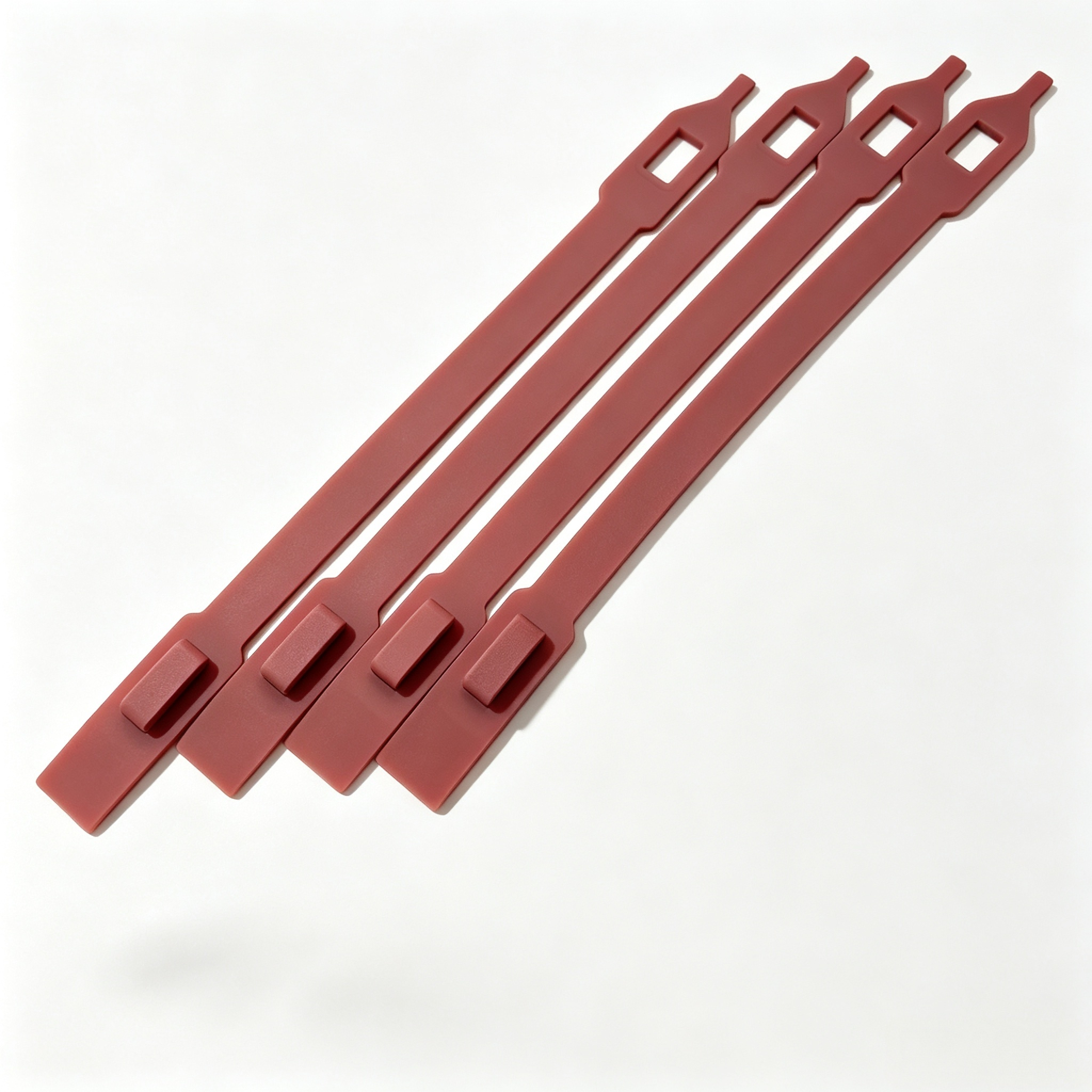
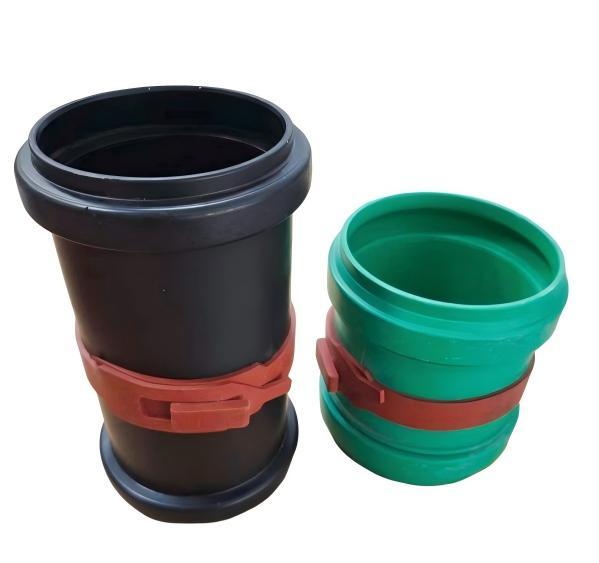
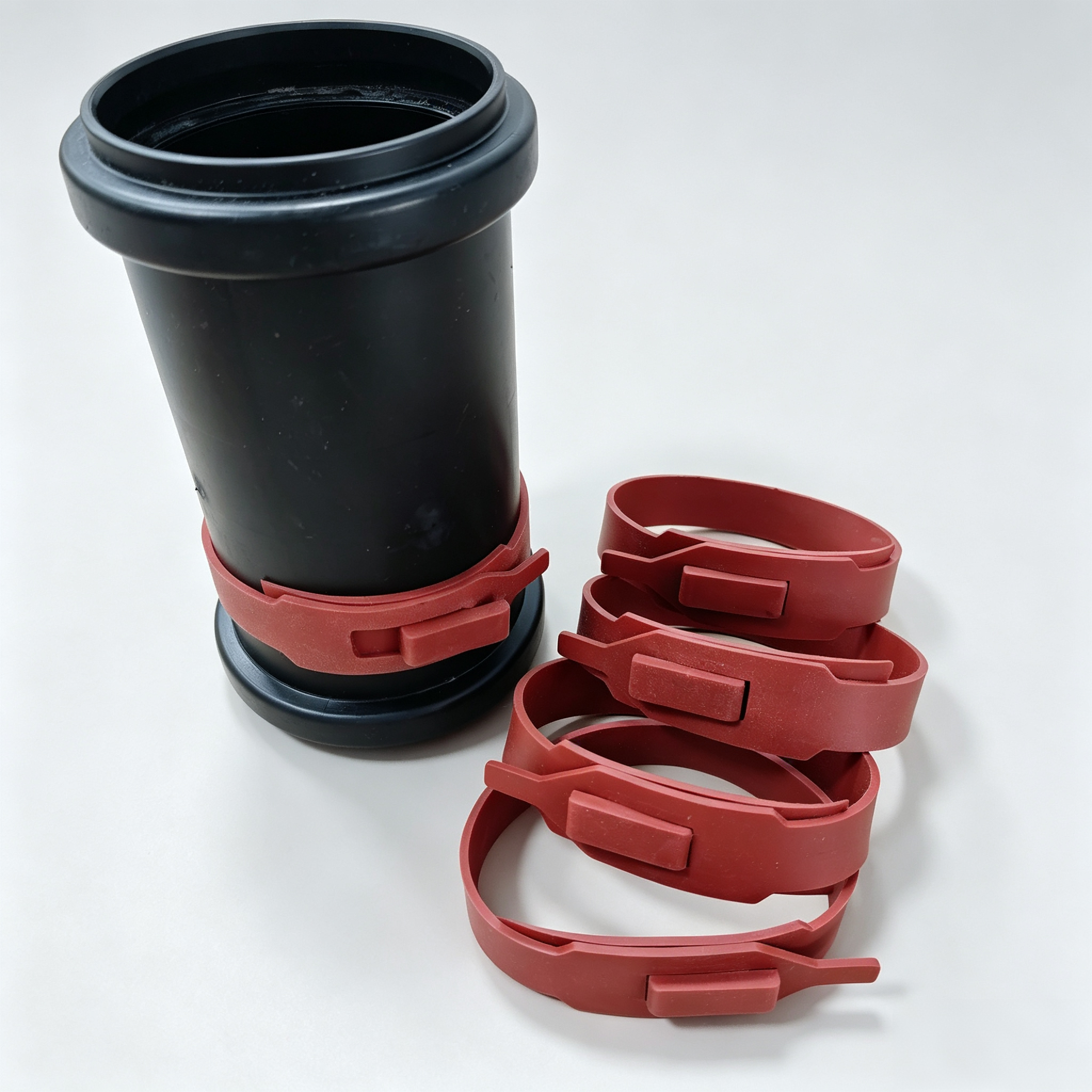
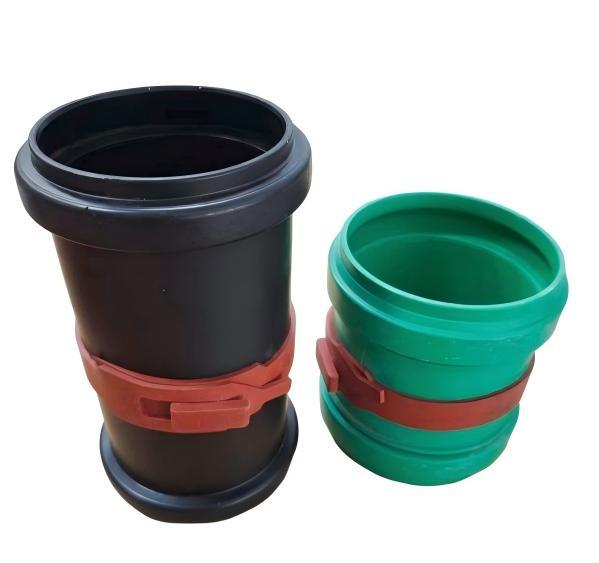
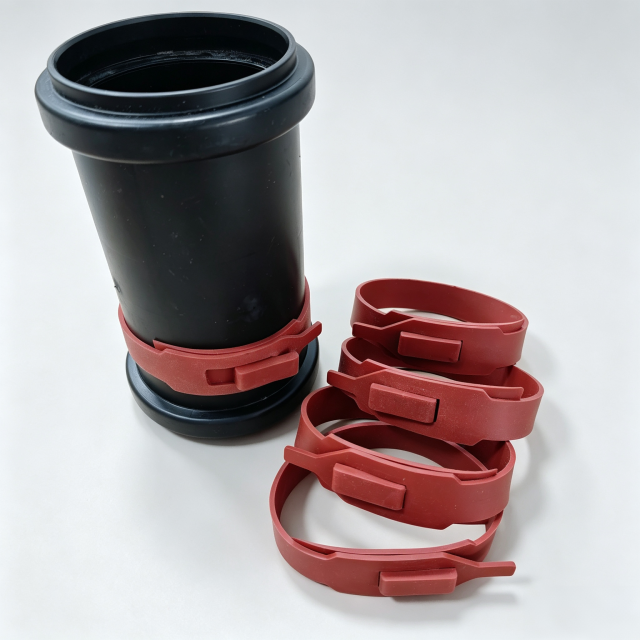
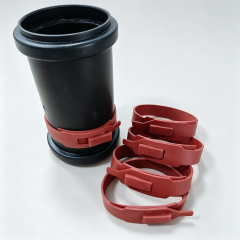
Dynamic Seal strip seal specifically developed for sealing plastic pipes in concrete structures. It consists of hydrophilic synthetic rubber. It was designed for high-pressure water sealing of plastic pipes in concrete structures. Thanks to its intelligent design, sealing of different pipe diameters is ensured.
Dynamic Seal Strip Seal: Advanced Hydrophilic Sealing Solution for Plastic Pipes in Concrete Structures
Introduction
In modern construction and infrastructure projects, the interface between plastic pipes and concrete structures represents one of the most critical—and often most vulnerable—points for water ingress. Traditional sealing methods frequently fall short under high hydrostatic pressure, thermal cycling, or structural settlement. Recognizing this engineering challenge, our Dynamic Seal Strip Seal offers a purpose-engineered, high-performance sealing system that combines intelligent design with advanced hydrophilic polymer technology.
This article provides an in-depth examination of the product's architecture, material science, application methodology, and the distinct value it delivers to contractors, civil engineers, and infrastructure developers.
The Engineering Problem: Why Pipe-to-Concrete Interfaces Fail
Plastic pipes (PVC, HDPE, PP, etc.) are widely used in drainage, water supply, electrical conduits, and telecommunications ducting embedded within concrete foundations, basements, retaining walls, and tunnel linings. However, the junction between a smooth plastic pipe and a rigid concrete mass is inherently problematic due to:
Coefficient of Thermal Expansion (CTE) Mismatch:Concrete Shrinkage:** As concrete cures and dries, it shrinks, leaving annular voids around the pipe.
Hydrostatic Pressure: Groundwater or retained water can exert substantial pressure, forcing water through these annular gaps.
Chemical and Biological Degradation: Traditional mastics or silicone sealants degrade in moist, alkaline environments.
The result? Leaks, structural damage, corrosion of embedded steel, and costly remediation. The Dynamic Seal Strip Seal directly addresses these failure modes through a self-activating, pressure-responsive sealing mechanism.
Product Overview: What is the Dynamic Seal Strip Seal?
The Dynamic Seal Strip Seal is a pre-formed, hydrophilic synthetic rubber strip specifically developed for sealing plastic pipes within concrete structures. Unlike passive gaskets that rely on compression alone, this strip seal is designed for high-pressure water sealing of plastic pipes, delivering a dynamic, self-energizing barrier that activates upon contact with water.
Its most notable feature is the intelligent design that ensures reliable sealing across a wide range of pipe diameters. This eliminates the need for multiple custom-molded gaskets, simplifying inventory and reducing project lead times.
Key Technical Features & Benefits
1. Hydrophilic Synthetic Rubber Matrix
The core material is a specially formulated hydrophilic synthetic rubber. Here’s why this matters:
Water-Triggered Expansion: Upon exposure to moisture, the rubber undergoes a controlled volumetric expansion (typically up to 200-300% of its original volume). This expansion generates a tight, compressive seal against both the pipe surface and the surrounding concrete.
Self-Healing Capability: If minor settlement or vibration creates a new micro-crack, the hydrophilic material continues to swell and fill the gap, effectively “healing” the seal.
High-Pressure Resistance: The swollen rubber creates a dense, impermeable barrier capable of withstanding significant hydrostatic heads, making it suitable for below-grade and submerged applications.
Chemical Compatibility: The synthetic rubber is resistant to common groundwater chemicals, mild acids, alkalis, and microbial attack, ensuring long-term performance in aggressive soil conditions.
2. Intelligent Radial Compression Design
The strip is engineered with a profiled cross-section that, when wrapped around the pipe and embedded in concrete, distributes compressive forces evenly. This design achieves two critical functions:
Diameter Flexibility: The strip’s geometry accommodates a range of pipe outer diameters without losing sealing integrity. This is particularly valuable for projects with multiple pipe sizes, as one product line can cover many specifications.
Positive Locking: The profile prevents the strip from being displaced during concrete pouring or due to groundwater flow, ensuring it remains in the optimal sealing position.
3. Ease of Installation
Time is money on a construction site. The Dynamic Seal Strip Seal is supplied in coil or pre-cut lengths and can be applied quickly:
Clean Surface Requirement: The pipe surface should be clean, dry, and free of loose debris.
Adhesive Backing (Optional): Many variants include a pressure-sensitive adhesive backing for temporary fixation, allowing workers to position the strip securely before concrete placement.
No Special Tools: Installation requires only standard cutting tools (e.g., knife or scissors) and a roller for firm adhesion. No heat guns, solvents, or curing time are required.
4. Concrete Bonding Interface
The outer surface of the strip is engineered to bond mechanically with the concrete matrix. As the concrete cures, it interlocks with the strip’s micro-textured surface, creating a monolithic waterstop. This dual mechanism—mechanical interlock plus hydrophilic expansion—provides redundancy that single-mechanism seals lack.
Application Scenarios: Where This Product Excels
The Dynamic Seal Strip Seal is not a general-purpose sealant; it is a specialized solution for demanding conditions. Ideal applications include:
Basement and Underground Parking Structures: Sealing utility penetrations (water, sewer, electrical) through foundation walls and slabs.
Water and Wastewater Treatment Plants: Where pipes pass through concrete tanks, clarifiers, and wet wells.
Tunnels and Shafts: For service conduits and drainage pipes in submerged or high-water-table environments.
Bridge Decks and Abutments: Protecting embedded utility lines from de-icing chemicals and moisture.
Precast Concrete Elements: Factory installation during precast manufacturing for consistent, quality-controlled sealing.
Retrofitting and Repair: Can be used to seal existing leaking pipe penetrations where access permits wrapping the pipe.
Technical Specifications (Typical Values)
| Property | Value |
|----------|-------|
| Base Material | Hydrophilic synthetic rubber (EPDM-based blend) |
| Expansion Ratio in Water | 200% – 300% (by volume) |
| Service Temperature Range | -20°C to +80°C |
| Water Pressure Resistance | Up to 10 bar (1.0 MPa) static head (dependent on concrete confinement) |
| Pipe Diameter Range | 50 mm to 1200 mm (custom profiles available) |
| Strip Thickness | 4 mm – 10 mm (profile dependent) |
| Tensile Strength | ≥ 5 MPa |
| Elongation at Break | ≥ 300% |
| Color | Black or grey (standard) |
| Shelf Life | 24 months (stored in cool, dry conditions) |
Note: Specifications are indicative and may vary by product grade. Consult our engineering team for project-specific validation.
Installation Guidelines (Step-by-Step)
Surface Preparation: Clean the pipe surface at the penetration area. Remove dirt, grease, and laitance. The surface must be dry for adhesive-backed strips.
Cutting and Splicing: Cut the strip to the required length (circumference of pipe plus a 50 mm overlap). For splicing, use a sharp diagonal cut and butt-join the ends; no adhesive is required as the hydrophilic expansion will fuse the joint.
Positioning: Wrap the strip around the pipe at the designated penetration zone. Ensure it is perpendicular to the pipe axis. Press firmly to activate the adhesive backing (if applicable).
Fixing (Optional): For large-diameter pipes or vertical applications, use stainless steel clamps or zip ties temporarily until concrete is poured.
Concrete Placement: Pour concrete carefully to avoid displacing the strip. Compact the concrete around the pipe using a vibrator, ensuring no voids remain.
Curing and Activation: After concrete curing, the strip will remain dormant until water contacts it. Upon water exposure, it swells and creates the final seal.
Comparison with Traditional Sealing Methods
| Feature | Dynamic Seal Strip Seal | Traditional Rubber Gasket | Mastic/Silicone Sealant | Waterstop (PVC/Bentonite) |
|---------|-------------------------|---------------------------|-------------------------|----------------------------|
| Activation | Self-activating (water) | Passive (compression) | Passive (adhesion) | Passive or swelling (bentonite) |
| High-Pressure Performance | Excellent | Good (requires precise compression) | Poor | Good (bentonite) |
| Diameter Adaptability | High (intelligent profile) | Low (requires custom molding) | Medium (gap filling) | Low (fixed shapes) |
| Longevity | High (chemical resistant) | Medium (aging of elastomers) | Low (dries, cracks) | Medium (bentonite can wash out) |
| Installation Speed | Fast | Moderate | Slow (curing time) | Moderate |
| Maintenance | None | Periodic inspection | Frequent reapplication | None |
Quality Assurance & Compliance
Our Dynamic Seal Strip Seal is manufactured under strict ISO 9001 quality management systems. Each batch undergoes rigorous testing for:
DIN 18541**, *ASTM C990*, and *BS 8102* (depending on application). We provide full technical documentation, including material safety data sheets (MSDS) and installation certification upon request.
Why Choose Our Dynamic Seal Strip Seal?
Reliability Under Pressure: The hydrophilic expansion mechanism does not rely on precise installation torque or perfect surface finish—it actively works to fill gaps, even those that develop years later.
Cost Efficiency: One product line covers multiple pipe sizes, reducing inventory costs and procurement complexity.
Proven Performance: Extensively tested in high-water-table environments, ensuring peace of mind for specifiers and owners.
Technical Support: Our engineering team offers free consultation, installation training, and site troubleshooting to ensure successful project outcomes.
Conclusion
The Dynamic Seal Strip Seal represents a significant advancement in the sealing of plastic pipe penetrations in concrete structures. By leveraging hydrophilic polymer technology and an intelligent cross-section design, it overcomes the limitations of traditional gaskets and sealants, providing a durable, self-adapting barrier against hydrostatic pressure. Whether you are designing a deep basement, a wastewater treatment facility, or a tunnel, this product offers the robust, long-term sealing performance your project demands.
We invite you to contact our technical sales team for detailed specifications, sample kits, or a project-specific engineering review. Let us help you achieve watertight integrity—first time, every time.
Title: Dynamic Seal Strip Seal | High-Pressure Hydrophilic Waterstop for Plastic Pipes in Concrete
Description: The Dynamic Seal Strip Seal is a hydrophilic synthetic rubber strip engineered for high-pressure water sealing of plastic pipes embedded in concrete structures. Its intelligent design adapts to various pipe diameters, expanding upon water contact to create a permanent, self-healing barrier against hydrostatic pressure. Ideal for basements, tunnels, treatment plants, and precast elements. Request a quote for project-specific specifications and installation support.