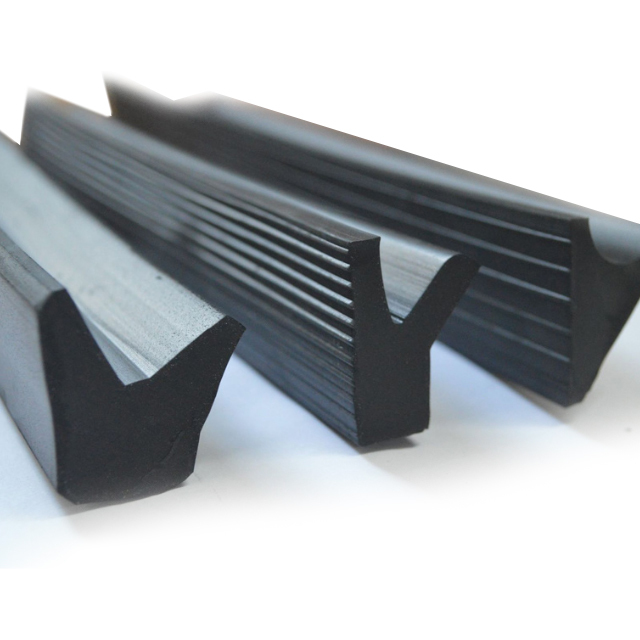
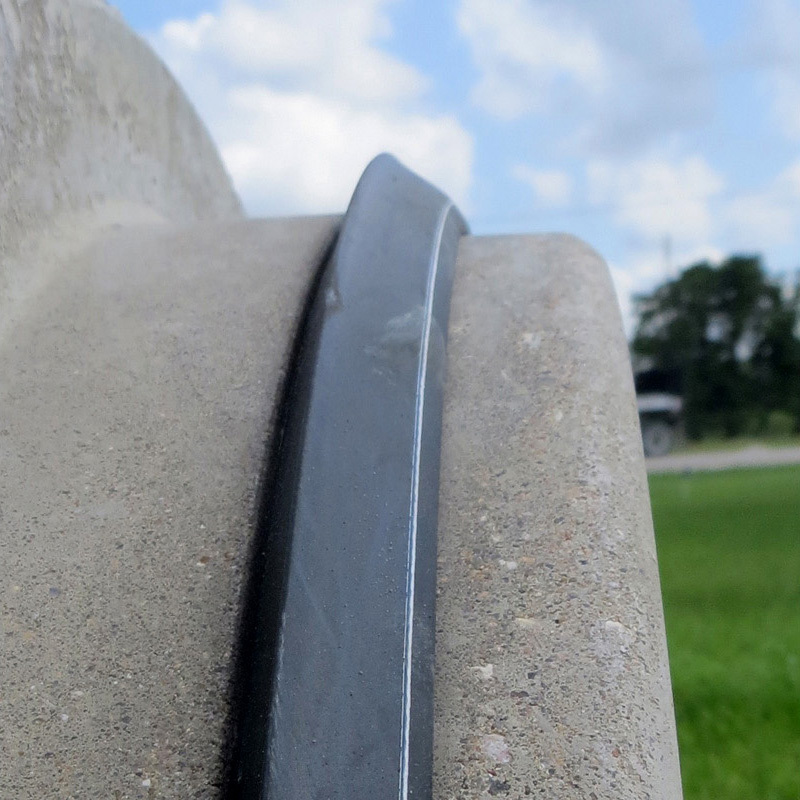
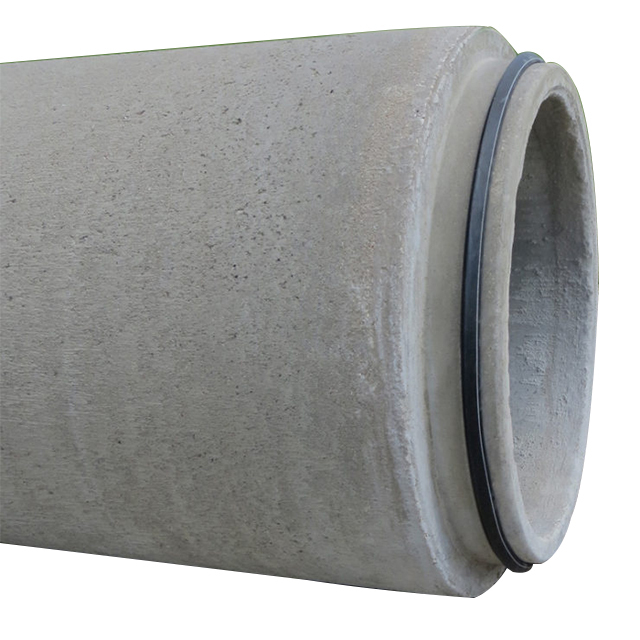
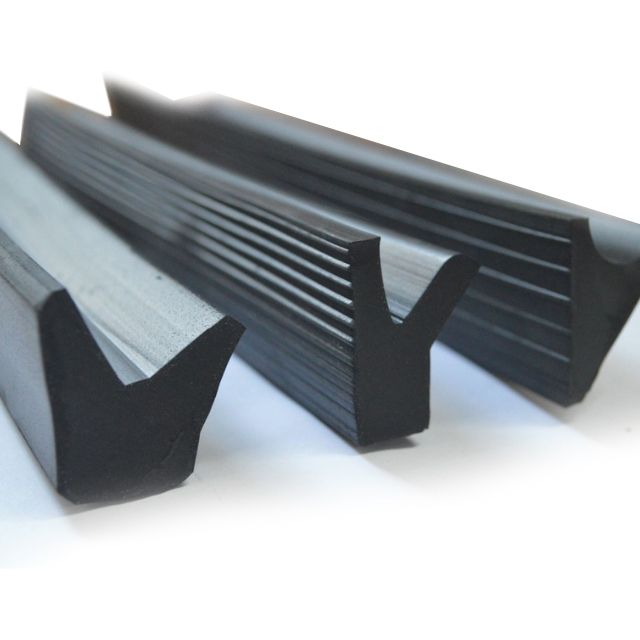
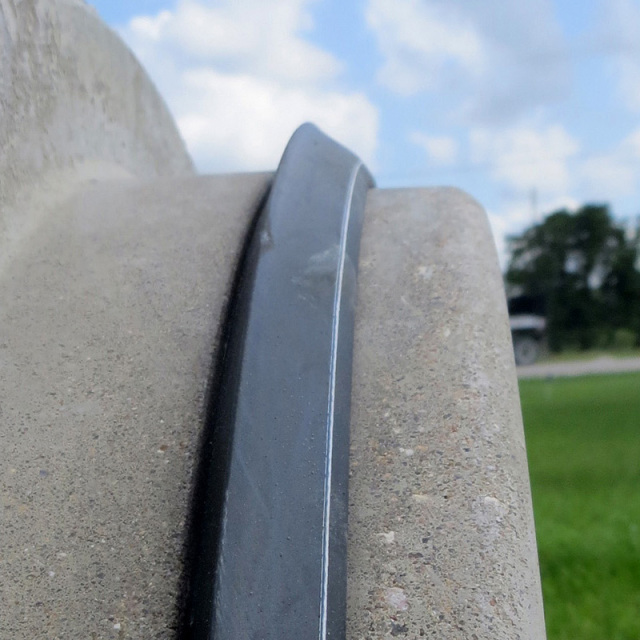
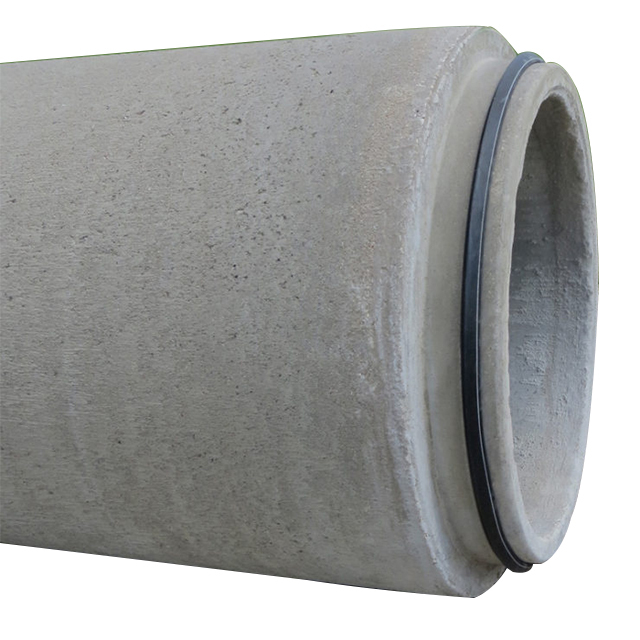
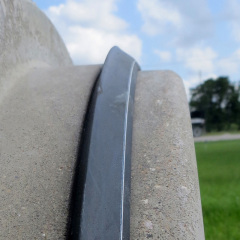
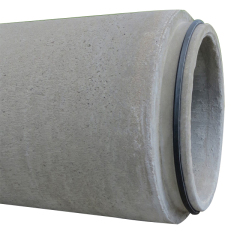
EPDM rubber seals are used for watertight sealing in concrete pipes, sewer pipes and drainage systems. Featuring excellent ozone, UV and aging resistance, they remain flexible and durable in underground environments. With superior compression set resistance, they provide reliable, leak-proof pipe connections. These seals comply with EN 681 and ASTM standards, widely applied in municipal water supply, drainage and civil engineering projects.
EPDM Rubber Seals for Concrete Pipes: Engineered for Watertight Integrity in Modern Infrastructure
Introduction
In the realm of municipal infrastructure and civil engineering, the integrity of pipeline systems is non-negotiable. A single point of failure in a concrete pipe joint can lead to groundwater infiltration, exfiltration of wastewater, and costly structural degradation. At the heart of every reliable pipe connection lies a component often overlooked but absolutely critical: the rubber seal. Our EPDM rubber seals for concrete pipes are precision-engineered to deliver uncompromising watertight performance, ensuring that sewer systems, drainage networks, and water supply lines operate flawlessly for decades—even under the most demanding underground conditions.
The Critical Role of Sealing in Concrete Pipe Systems
Concrete pipes are the backbone of urban drainage and sewerage infrastructure. However, concrete is inherently porous and susceptible to micro-cracking over time. Without an effective sealing solution, joints become the weakest link in the system. Leakage at pipe joints can result in:
Soil erosion and loss of structural support around the pipeline
Contamination of groundwater by untreated sewage
Root intrusion that can block or damage the pipe network
Accelerated corrosion of both the pipe and surrounding environment
Our EPDM seals are specifically formulated to address these challenges, providing a permanent, resilient barrier that maintains its sealing force throughout the service life of the pipeline.
Material Excellence: Why EPDM Outperforms Alternatives
Superior Ozone & UV Resistance
Unlike natural rubber or SBR compounds, EPDM (Ethylene Propylene Diene Monomer) possesses a saturated polymer backbone that is inherently immune to ozone attack and ultraviolet degradation. This is particularly critical in applications where pipes are stored outdoors prior to installation, or where above-ground sections of the pipeline are exposed to sunlight. Even in the most polluted urban atmospheres with high ozone concentrations, our EPDM seals will not crack, harden, or lose their elasticity—a guarantee that many elastomers cannot offer.
Outstanding Aging Resistance
Underground environments are chemically aggressive. Soil contains a complex mixture of acids, alkalis, and microbial activity that can rapidly deteriorate inferior rubber compounds. EPDM's exceptional resistance to aging ensures that our seals retain their physical properties—tensile strength, elongation, and rebound—for 50 years or more in typical service conditions. This long-term stability translates directly into reduced maintenance costs and extended infrastructure lifecycles.
Exceptional Compression Set Resistance
The most common failure mode for pipe seals is "compression set that occurs when a rubber material is held under constant compression and gradually loses its ability to spring back. Once compression set occurs, the sealing force diminishes, and leaks begin. Our EPDM compounds are formulated with optimized cross-linking systems and reinforcing fillers to achieve compression set values well below 20% under standard test conditions (ASTM D395 Method B). This means the seal continues to exert firm, uniform pressure against the pipe socket and spigot surfaces, maintaining a leak-tight joint even after years of settlement, thermal cycling, and ground movement.
Compliance with International Standards
EN 681-1 Compliance
Our seals are manufactured and tested in accordance with EN 681-1, the European standard that specifies requirements for rubber sealing materials used in water supply, drainage, and sewerage applications. This includes strict limits on hardness (typically 50–70 Shore A), tensile strength, elongation at break, and resistance to fluids (including wastewater with high concentrations of detergents and industrial effluents). Certification to EN 681-1 provides assurance to specifiers and contractors that our products meet the rigorous performance criteria demanded by European infrastructure projects.
ASTM F477 & C443 Compliance
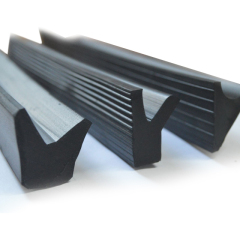
For the North American market, our seals meet the requirements of ASTM F477 (M C443** (Standard Specification for Joints for Concrete Pipe and Manholes Using Rubber Gaskets). These standards define dimensional tolerances, physical property requirements, and test methods for gaskets used in both gravity and low-pressure pipe systems. Our seals are available in a wide range of cross-sectional profiles—including round, flat, and dumbbell shapes—to accommodate virtually any pipe joint design.
Underground pipelines are subjected to significant temperature fluctuations—from freezing winters to scorching summers. Our EPDM seals maintain their flexibility across a broad temperature range of -45°C to +150°C, without becoming brittle or excessively soft. This thermal stability ensures that joints remain watertight regardless of seasonal changes or the heat generated by industrial effluents flowing through the pipe.
Resistance to Soil-Borne Chemicals
The chemical resistance of EPDM is well-documented, particularly against:
Dilute acids and alkalis commonly found in industrial wastewater
Detergents and surfactants from domestic sewage
Salts and de-icing chemicals that leach into groundwater
Hydrogen sulfide (H₂S) and other gases produced by anaerobic decomposition in sewer lines
This broad chemical compatibility makes our seals suitable for both gravity sewer systems and pressurized water mains, where exposure to disinfectants like chlorine is also a consideration.
Dimensional Stability & Installation Efficiency
Our seals are manufactured to tight dimensional tolerances, ensuring a precise fit within the pipe groove. This precision reduces installation time and minimizes the risk of seal displacement during pipe jointing. The seals are designed to accommodate minor misalignments and angular deflections that occur during installation, providing a forgiving yet secure fit that contractors appreciate.
Applications Across Civil Engineering Projects
Municipal Water Supply Systems
In potable water distribution networks, the integrity of every joint is critical to preventing contamination and water loss. Our EPDM seals are certified for contact with drinking water, meeting the requirements of WRAS (Water Regulations Advisory Scheme) and KTW (German Federal Environment Agency) where applicable. The seals do not impart taste or odor to the water, and their long-term resistance to chlorine and other disinfectants ensures reliable performance throughout the system's design life.
Sewer and Wastewater Networks
Sewer systems are the most demanding application for pipe seals due to the aggressive nature of the conveyed medium. Our seals' resistance to hydrogen sulfide, organic acids, and abrasive particulates makes them the preferred choice for both sanitary sewers and stormwater drainage systems. The watertight joint prevents both infiltration (groundwater entering the pipe) and exfiltration (sewage leaking into the soil), protecting both the environment and the structural integrity of the pipeline.
Stormwater Drainage and Culverts
Stormwater systems are often subjected to high flow velocities, debris impact, and significant hydraulic pressure fluctuations. Our seals are designed to withstand these dynamic conditions, maintaining a positive seal even when the pipe is not full of water. For culvert applications where pipes may be installed under roadways with heavy traffic loads, the seals provide the necessary flexibility to accommodate ground settlement without losing their sealing capability.
Civil Engineering and Infrastructure Projects
Beyond conventional pipe systems, our EPDM seals are widely used in:
Precast concrete manholes and inspection chambers
Jacking and microtunneling pipe installations
Rehabilitation projects where existing pipes are refined with new sealing systems
Outfall structures and marine installations where saltwater resistance is required
Quality Assurance and Testing
Every batch of our EPDM seals undergoes rigorous quality control testing to ensure consistency and compliance with specification. Our in-house laboratory is equipped to perform:
Dimensional inspection using optical measurement systems
Watertightness testing on assembled pipe joints (ASTM C443 / EN 1277)
We also offer custom compound development for projects with unique chemical or thermal requirements, ensuring that our seals are precisely tailored to the application.
Conclusion: A Long-Term Investment in Infrastructure Reliability
Choosing the right pipe seal is not merely a procurement decision—it is an investment in the long-term performance and sustainability of your infrastructure. Our EPDM rubber seals for concrete pipes offer:
Proven material performance backed by decades of field experience
Compliance with the most stringent international standards
Exceptional durability that reduces lifecycle costs and emergency repairs
Versatility across a wide range of pipe types, sizes, and applications
When you specify our seals, you are not just buying a rubber gasket—you are securing the watertight integrity of your entire pipeline system for generations to come.
Contact Us for Technical Consultation
Our engineering team is available to assist with product selection, joint design review, and custom seal development for your specific project requirements. We provide comprehensive technical datasheets, installation guidelines, and sample kits for evaluation.
Request a quote today and discover why leading contractors and municipalities worldwide trust our EPDM seals for their most critical pipeline applications.
Description: High-performance EPDM rubber seals for concrete pipes, sewer systems, and drainage networks. Engineered for watertight joints with superior ozone, UV, and aging resistance. Compliant with EN 681-1 and ASTM standards. Ideal for municipal water supply, wastewater, and civil engineering projects. Request a quote for reliable, leak-proof pipe connections.