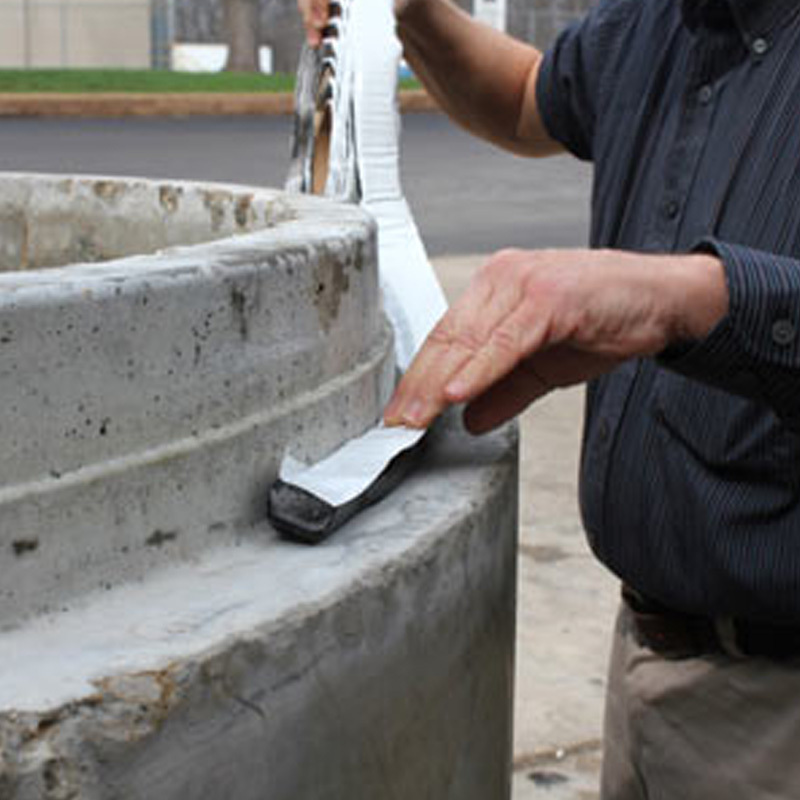
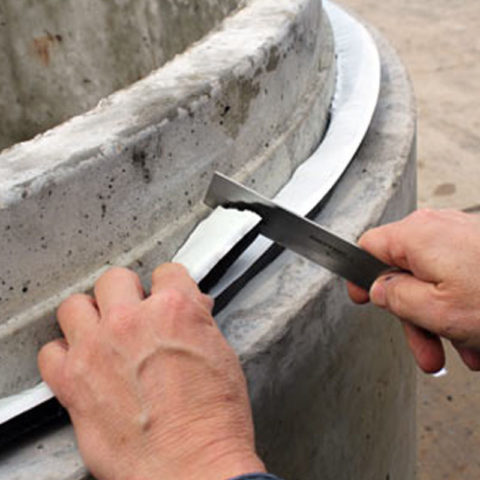
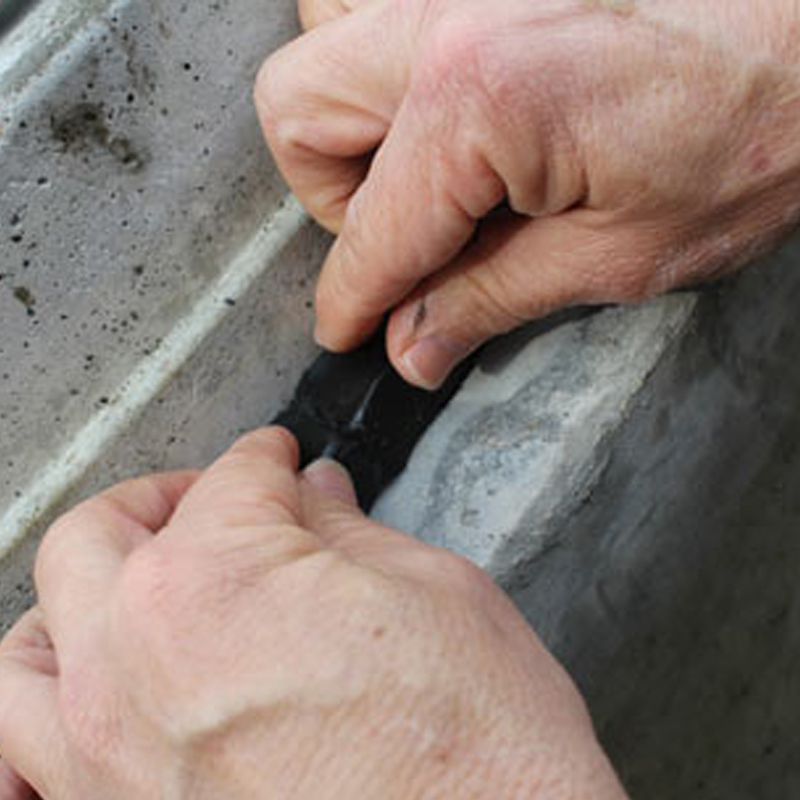
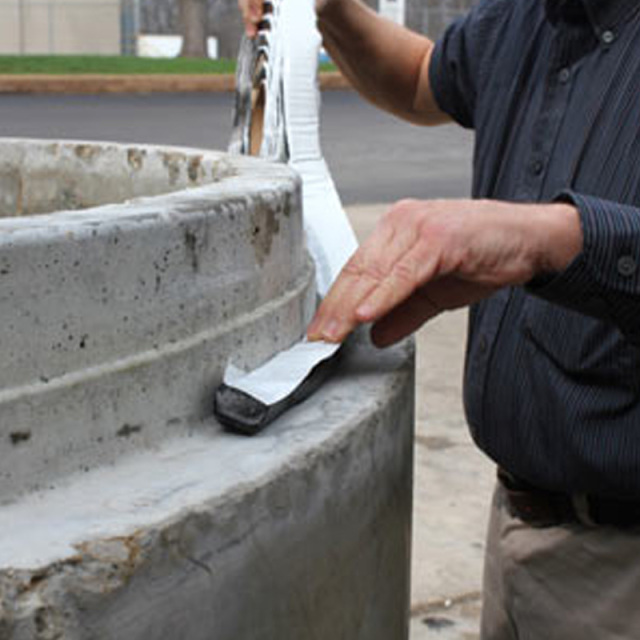
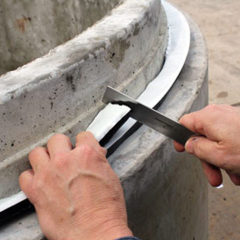
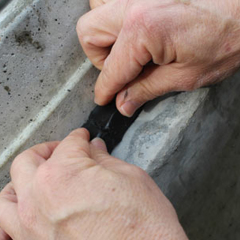
Butyl waterstop for concreteis a high-performance waterproof material specifically designed for concrete structures, primarily used to control moisture penetration and ensure the sealing of concrete joints. Its main component is butyl rubber, which has excellent elasticity and durability.
Applications
Precast concrete wall panel systems
Utility vaults, portable water tanks and box culverts
Sanitary and storm sewer manholes
Pipes (round, oval, flat-base elliptical and arch types)
Butyl Waterstop for Concrete: The Engineered Solution for Permanent Joint Sealing
Introduction
In modern concrete construction, the integrity of a structure is only as strong as its weakest point—and more often than not, that point is the joint. Whether it is a construction joint, expansion joint, or a connection between precast elements, these discontinuities represent the most vulnerable pathways for water ingress. Left unsealed, even micro-cracks can lead to structural degradation, corrosion of reinforcement, and costly long-term repairs.
The Butyl Waterstop for Concrete is a high-performance waterproofing material purpose-engineered to address this challenge. Manufactured from premium butyl rubber, this waterstop delivers a combination of elasticity, adhesion, and chemical resistance that outperforms conventional PVC or bentonite-based alternatives. It is designed not merely to block water, but to form a permanent, adaptive seal that accommodates structural movement without losing integrity.
This article provides a comprehensive examination of the product's composition, functional advantages, and diverse applications—offering engineers, contractors, and specifiers the technical insight needed to make informed procurement decisions.
Material Composition and Engineering Properties
Primary Component: Butyl Rubber
The core of this waterstop is butyl rubber (IIR), a synthetic elastomer renowned for its exceptional impermeability to gases and moisture. Unlike many other rubber compounds, butyl rubber possesses a very low diffusion rate for water vapor, making it inherently superior for waterproofing applications.
Key physical properties include:
High elasticity: The material can stretch and recover repeatedly, accommodating joint movement caused by thermal expansion, settlement, or seismic activity.
Excellent low-temperature flexibility: Remains pliable and effective even in sub-zero environments, preventing cracking or hardening.
Outstanding UV and ozone resistance: Does not degrade when exposed to sunlight or atmospheric pollutants, ensuring long service life in exposed conditions.
Chemical resistance: Withstands contact with dilute acids, alkalis, and salts commonly found in soil and wastewater, making it suitable for sanitary and stormwater systems.
Self-Adhesive Backing (Optional Configurations)
In many product variants, the butyl waterstop is supplied with a pressure-sensitive adhesive layer on one or both faces. This feature allows for rapid, secure positioning onto clean concrete surfaces without the need for additional adhesives or mechanical fasteners. The bond strength increases over time as the butyl mastic flows into micro-irregularities of the substrate, creating a molecular-level seal.
Dimensional Stability
The material creep and cold flow under sustained compressive loads. This ensures that the waterstop maintains its designed cross-section—whether rectangular, dumbbell, or ribbed—preventing the formation of bypass channels over decades of service.
Functional Advantages Over Conventional Waterstops
1. Superior Adhesion to Concrete
Traditional PVC waterstops require meticulous embedding within the concrete pour, and any void or poor compaction around the rib creates a leak path. Butyl waterstops, by contrast, bond directly to cured or green concrete through their inherent tackiness. This eliminates the need for complex formwork detailing and reduces the risk of installation defects.
2. Self-Healing Characteristics
One of the most valuable properties of butyl rubber is its ability to self-heal minor punctures or tears. If a sharp aggregate or tool accidentally damages the surface, the material's viscous-elastic nature will gradually flow and close the breach, restoring the seal. This is a critical advantage in demanding construction sites where minor mishandling is inevitable.
3. Accommodation of Movement
Concrete joints are subject to dynamic forces—cyclic thermal expansion, shrinkage, and even differential settlement. Butyl waterstops exhibit a elongation-at-break exceeding 300%, allowing them to maintain a watertight barrier even when joints open or close by.
4. Simple and Fast Installation
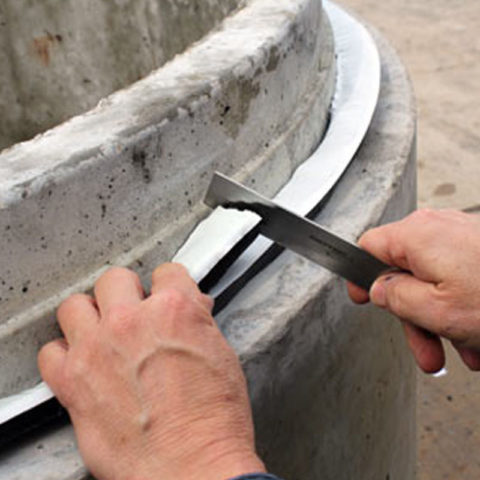
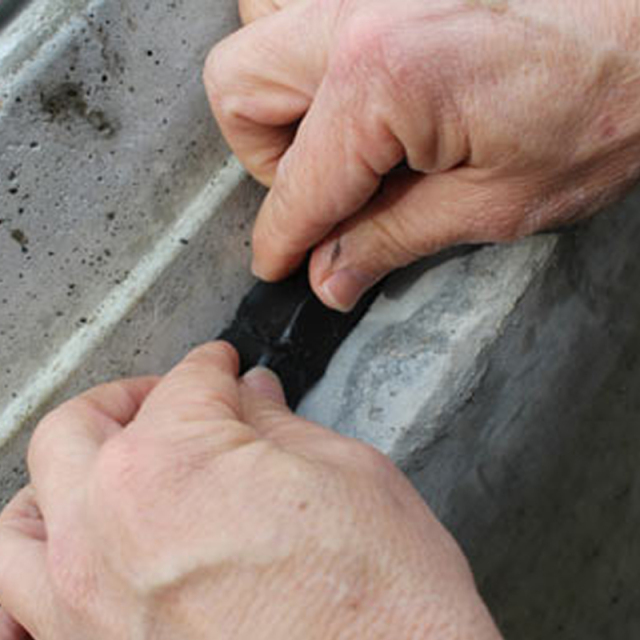
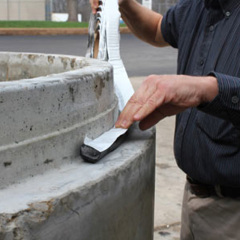
No special tools, heating, or welding equipment are required. The waterstop can be cut with a utility knife, shaped around corners, and pressed into place by hand or with a roller. This significantly reduces labor time and installation cost, particularly for large-scale precast or cast-in-place projects.
5. Longevity and Reliability
Butyl rubber is inherently resistant to hydrolysis and microbial attack. It does not support fungal growth, nor does it leach plasticizers that could contaminate portable water. With an expected service life exceeding 50 years in buried or submerged applications, this waterstop offers a permanent solution rather than a temporary fix.
Primary Applications
The versatility of the butyl waterstop makes it suitable for a wide range of concrete structures where moisture control is critical. Below are the principal application scenarios, each with specific engineering considerations.
Precast Concrete Wall Panel Systems
In precast construction, panel-to-panel joints are unavoidable. The butyl waterstop is applied along the vertical and horizontal mating surfaces before the panels are joined. Its compressibility ensures a positive seal even when panels are bolted together with slight misalignment. Additionally, the adhesive backing prevents displacement during lifting and placement.
Utility Vaults, Portable Water Tanks, and Box Culverts
These structures are frequently buried underground or submerged, exposing them to hydrostatic pressure. The waterstop is installed at base slab-to-wall joints, wall-to-roof connections, and around pipe penetrations. Its chemical resistance ensures compatibility with potable water storage, while its flexibility accommodates soil settlement without rupturing.
Sanitary and Storm Sewer Manholes
Manholes are subjected to aggressive environments—hydrogen sulfide gas, sewage acids, and fluctuating water tables. Butyl waterstops provide a robust barrier at the joint between the base section, risers, and cone sections. They also seal the interface between the manhole wall and incoming pipe stubs, preventing infiltration of groundwater and exfiltration of sewage.
Pipes of Various Cross-Sections
The product adapts to round, oval, flat-base elliptical, and arch-type pipe geometries. For pipe joints, the waterstop is applied circumferentially around the spigot or bell end before assembly. Its conformability ensures full contact with curved surfaces, creating a continuous gasket that withstands internal pressure and external soil loads.
Underground Utility Vaults
Telecommunication, electrical, and water distribution vaults are often located in high-water-table areas. The butyl waterstop is used to seal the cold joints between floor slabs and walls, as well as the lid-to-wall interface. This prevents groundwater ingress that could damage sensitive equipment or cause unsafe working conditions.
Wet Wells
In wastewater pumping stations, wet wells experience constant immersion and intermittent agitation. The waterstop must resist not only water but also oils, greases, and detergents present in sewage. Butyl rubber's non-polar nature provides excellent resistance to such organic compounds, ensuring long-term performance in this challenging duty.
Installation Guidelines (Summary)
For optimal performance, the following procedures should be observed:
Surface preparation: The concrete substrate must be clean, dry, and free of laitance, oil, or loose particles. For maximum adhesion, a primer may be applied to highly porous surfaces.
Positioning: The waterstop should be centered over the joint or placed as per design drawings. For cast-in-place applications, it may be tied to rebar using wire ties, ensuring it is not displaced during concrete placement.
Compression: For joints that will be tightened (e.g., precast panels), the waterstop should be compressed to at least 30% of its original thickness to activate the sealing force.
Splicing: For long runs, butt splices are made by pressing the two ends together firmly. For enhanced integrity, a 45-degree scarf joint is recommended.
Curing: No special curing is required. The bond strength develops fully within 24 hours, though the joint can be subjected to light water exposure immediately after installation.
Why Choose This Butyl Waterstop?
When comparing waterproofing options, engineers often weigh cost against certainty. While cheaper alternatives such as bentonite strips or hydrophilic rubber may offer initial savings, they are prone to washout, uneven swelling, or loss of performance in dry conditions. PVC waterstops, on the other hand, require precise formwork and welding—adding labor costs and potential quality variability.
This butyl waterstop offers the best of both worlds: the ease of installation of a sealant tape, combined with the robustness and longevity of a structural waterstop. Its self-healing property alone can save thousands of dollars in potential repair costs over the structure's lifetime.
Furthermore, the material is environmentally benign. It contains no volatile organic compounds (VOCs) and does not leach harmful substances into surrounding soil or water, making it acceptable for potable water contact in many jurisdictions.
Conclusion
The Butyl Waterstop for Concrete is not simply an accessory—it is an integral component of a durable waterproofing system. Its advanced material science, proven field performance, and broad application range make it the preferred choice for engineers who demand reliability in critical infrastructure.
Whether you are designing a precast tunnel segment, a buried utility vault, or a wastewater treatment facility, this waterstop provides the assurance that your joints will remain dry for decades to come. We invite you to contact our technical team for product specifications, sample testing, or project-specific recommendations.
Title:
Butyl Waterstop for Concrete | Permanent Joint Sealing for Precast, Sewer, and Utility Structures
Description:
Discover the high-performance butyl waterstop for concrete—engineered for permanent moisture control in precast panels, manholes, pipes, utility vaults, wet wells, and box culverts. Made from durable butyl rubber, it offers superior adhesion, self-healing properties, and movement accommodation. Ideal for sanitary and storm systems, portable water tanks, and underground structures. Learn about applications, installation, and long-term reliability. Request a quote today.