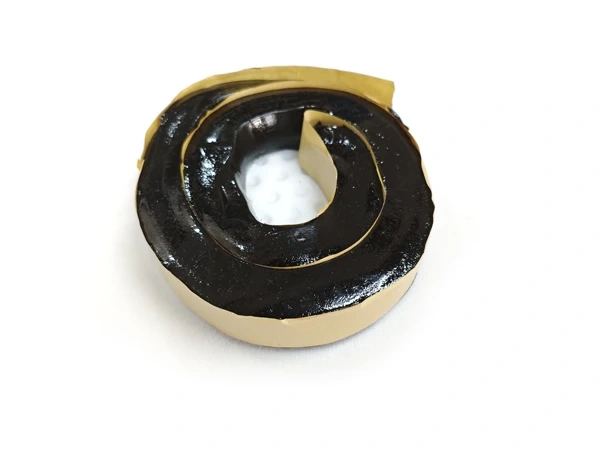
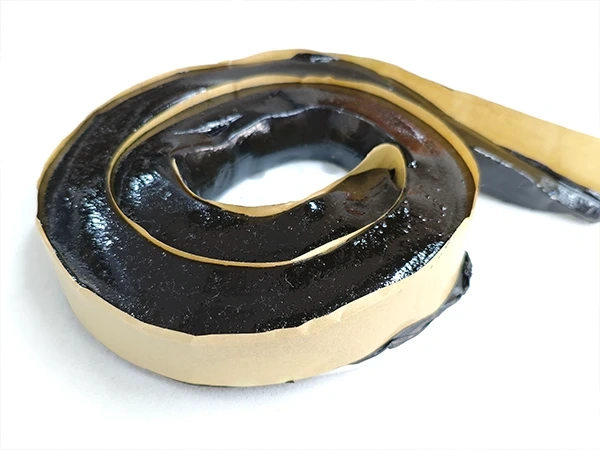
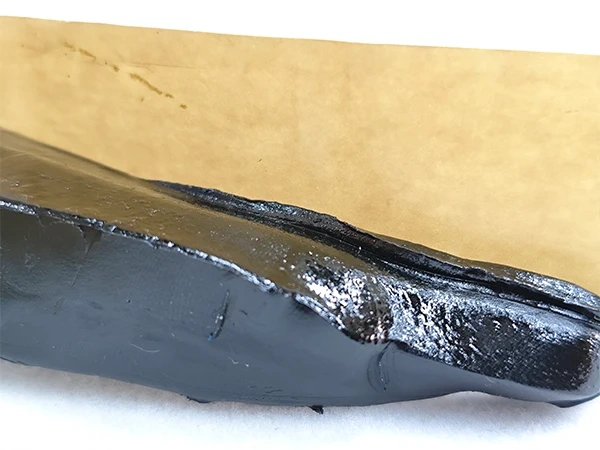
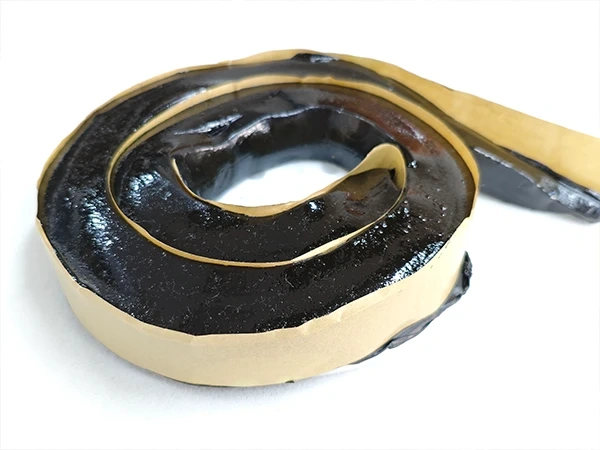
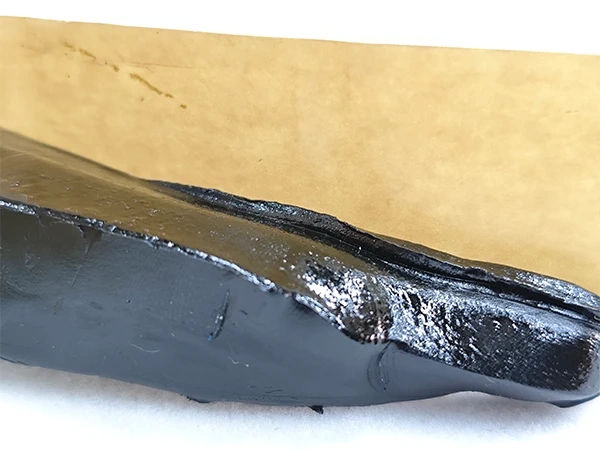
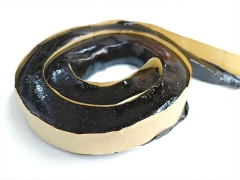
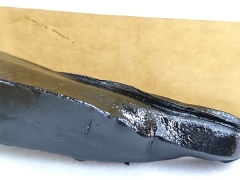
Butyl waterstop for concreteis a high-performance waterproof material specifically designed for concrete structures, primarily used to control moisture penetration and ensure the sealing of concrete joints. Its main component is butyl rubber, which has excellent elasticity and durability.
Applications
Precast concrete wall panel systems
Utility vaults, portable water tanks and box culverts
Sanitary and storm sewer manholes
Pipes (round, oval, flat-base elliptical and arch types)
Butyl Waterstop for Concrete: Advanced Joint Sealing for Critical Infrastructure
In the realm of modern concrete construction, the integrity of joints often determines the long-term performance of the entire structure. Water intrusion through these vulnerable points can lead to reinforcement corrosion, concrete deterioration, and costly structural repairs. The Butyl Waterstop for Concrete offers a robust, engineered solution to this perennial challenge—combining high-grade butyl rubber with proven sealing performance to protect concrete structures across a wide range of demanding applications.
What Is a Butyl Waterstop?
A butyl waterstop is a preformed, flexible sealing profile installed within concrete joints to create a continuous barrier against water and moisture. Unlike traditional PVC or metal waterstops, this product is manufactured from high-molecular-weight butyl rubber, a synthetic elastomer renowned for its exceptional impermeability, elasticity, and resistance to environmental aging.
The material’s unique molecular structure provides two critical advantages:
Outstanding flexibility – The waterstop can accommodate joint movement, settlement, and thermal expansion without losing its sealing integrity.
Superior adhesion – When properly installed, butyl rubber forms a tight, cohesive bond with concrete surfaces, minimizing the risk of bypass leakage.
This combination of properties makes the butyl waterstop an ideal choice for both new construction and remedial sealing projects where long-term reliability is non-negotiable.
Key Performance Characteristics
1. Exceptional Moisture Barrier
Butyl rubber possesses one of the lowest vapor transmission rates among elastomeric materials. This intrinsic property ensures that the waterstop effectively halts the migration of liquid water and water vapor through construction joints—even under hydrostatic pressure. For below-grade structures and water-retaining facilities, this level of protection is essential.
2. High Elasticity and Recovery
Concrete structures are rarely static. They expand, contract, and shift in response to temperature fluctuations, soil settlement, and live loads. The butyl waterstop accommodates these movements with ease, stretching and recovering without permanent deformation. This elasticity prevents stress concentrations at the joint, which could otherwise lead to cracking and leakage.
3. Durability in Harsh Environments
The product’s resistance to ozone, UV radiation, and a wide range of chemicals (including diluted acids, alkalis, and salts) ensures stable performance over decades of service. Unlike some other waterstop materials, butyl rubber does not become brittle with age or under repeated freeze-thaw cycles, making it suitable for cold climates and aggressive soil conditions.
iable Installation
The flexibility and conformability of butyl rubber allow for easy handling on site. The waterstop can be cut, spliced, and shaped to fit complex joint geometries without specialized tools. When installed with appropriate lap joints and adhesive, it forms a continuous, seamless barrier that reduces installation time and labor costs.
Primary Applications
The versatility of the butyl waterstop makes it a preferred choice across multiple sectors of civil and environmental engineering:
Precast concrete wall panel systems – Ensuring watertight connections between panels in retaining walls, building facades, and underground structures.
Utility vaults, portable water tanks, and box culverts – Providing reliable sealing in structures that must contain or exclude water under variable pressure conditions.
Sanitary and storm sewer manholes – Preventing infiltration and exfiltration at critical pipe-to-structure junctions, protecting both water quality and structural integrity.
Pipes (round, oval, flat-base elliptical, and arch types) – Sealing circumferential and longitudinal joints in pipe systems for stormwater, wastewater, and culvert applications.
Underground utility vaults – Safeguarding electrical, communication, and water distribution equipment from groundwater intrusion.
Wet wells – Maintaining a watertight environment in pump stations and collection systems where exposure to moisture is constant.
In all these applications, the butyl waterstop contributes to the overall service life of the structure by eliminating one of the most common failure modes: joint leakage.
Why Choose This Butyl Waterstop?
When evaluating waterstop options, engineers and contractors should consider the total cost of ownership—not just the initial purchase price. This product delivers value through:
Reduced maintenance – Fewer leaks mean lower repair costs and less downtime.
Extended structural lifespan – Protecting reinforcement and concrete from moisture-related degradation.
Design flexibility – Available in various profiles and sizes to match specific joint dimensions and movement requirements.
Proven field performance – Backed by decades of use in infrastructure projects worldwide.
Furthermore, the material’s compatibility with concrete and its resistance to biological attack (such as mold or bacterial growth) make it a hygienic choice for potable water and sanitary applications.
Installation Guidance for Best Results
To maximize the performance of the butyl waterstop, proper installation is critical. The following practices are recommended:
Surface preparation – Concrete surfaces must be clean, dry, and free of laitance, oil, or loose particles before installation.
Correct positioning – The waterstop should be centered within the joint and secured against displacement during concrete placement.
Splicing – For continuous runs, use factory-approved adhesive or heat splicing to ensure a monolithic connection.
Concrete compaction – Ensure thorough vibration around the waterstop to eliminate voids and achieve full embedment.
By adhering to these guidelines, installers can achieve a watertight system that performs reliably for the life of the structure.
Conclusion
The Butyl Waterstop for Concrete is more than a simple sealing accessory—it is a critical component in the long-term durability and functionality of concrete infrastructure. Its combination of impermeability, elasticity, and chemical resistance makes it an ideal choice for engineers and contractors who demand performance without compromise.
Whether you are designing a new wastewater treatment facility, a stormwater management system, or a below-grade parking structure, integrating a high-quality butyl waterstop into your joint design is a prudent investment in the future of your project. With straightforward installation and maintenance-free operation, this product helps ensure that your structure remains watertight—year after year.
For detailed technical specifications, profile options, or project-specific recommendations, contact our engineering team today. We are ready to support your next project with expert guidance and reliable product solutions.
Title:
Butyl Waterstop for Concrete | High-Performance Joint Sealing for Wateryl rubber waterstop
precast concrete waterstop
waterstop for sewer manholes
underground utility vault sealing
box culvert waterstop
wet well sealing system
flexible concrete waterstop
moisture barrier for concrete joints
Description:
Discover the butyl waterstop for concrete—a durable, elastic waterproofing solution engineered to seal joints in precast panels, utility vaults, manholes, pipes, culverts, and wet wells. Made from high-grade butyl rubber, this waterstop provides superior moisture resistance, chemical durability, and long-term performance in demanding environments. Learn how our butyl waterstop enhances structural integrity, reduces maintenance costs, and ensures watertight concrete construction. Request a quote or technical consultation for your next infrastructure project.